
Dangerous Goods Transportation: Packaging, Labeling and Cargo Safety Guidelines
Learn the essentials of dangerous goods transportation, including cargo classification, compliant packaging, hazard labeling, shipping documentation, safe handling, and risk management across international logistics operations.
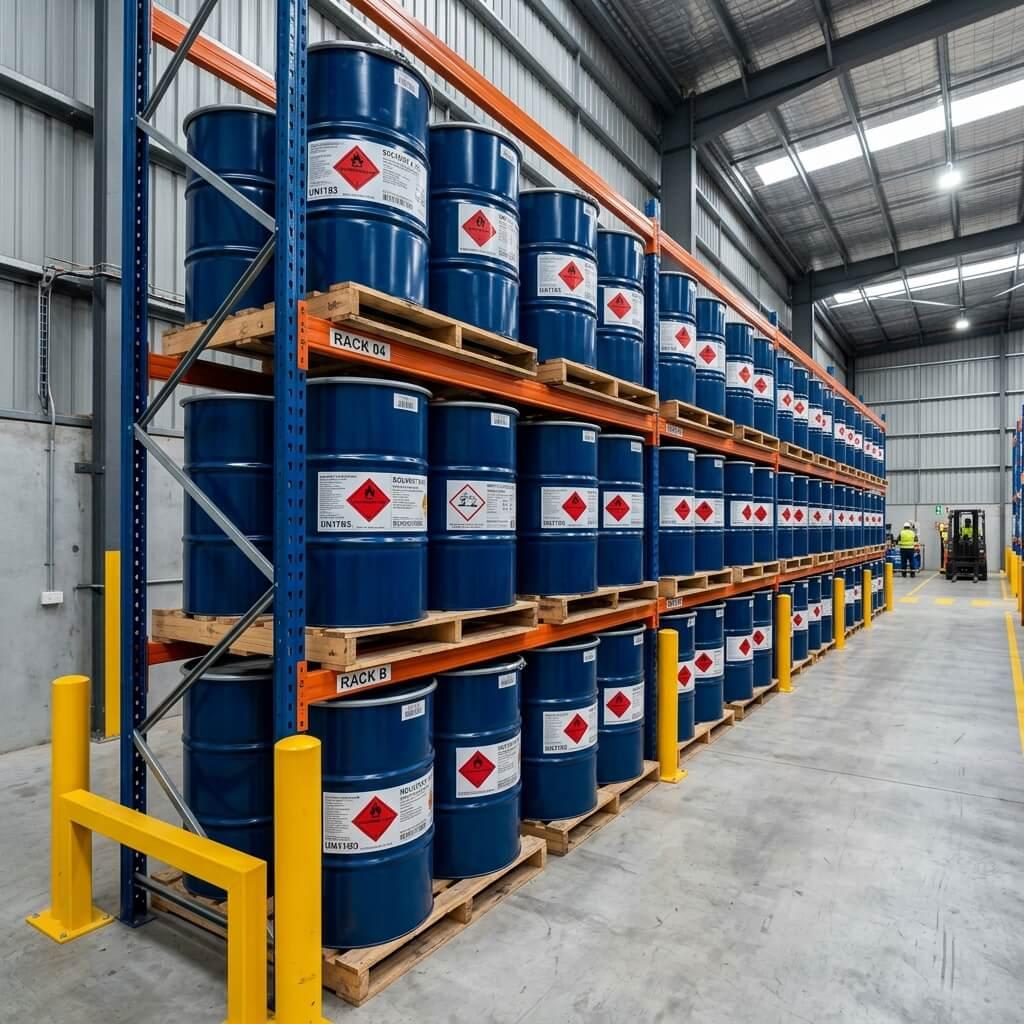
Dangerous Goods Transportation: Packaging, Labeling and Cargo Safety Guidelines
Introduction
The transportation of dangerous goods requires careful planning, appropriate packaging, accurate documentation, and strict attention to safety. These goods may present risks such as fire, chemical exposure, corrosion, environmental contamination, or other hazards if they are not handled and transported correctly.
Dangerous goods are moved through different transportation networks, including road, rail, air, and sea. Each mode may have specific requirements governing classification, packaging, marking, labeling, documentation, and handling.
For businesses involved in international trade, understanding these requirements is essential to protecting people, cargo, transportation equipment, and the environment while reducing avoidable shipping disruptions.
What Are Dangerous Goods?
Dangerous goods are substances or articles that may pose risks to health, safety, property, or the environment during transportation.
Their classification depends on the hazards associated with the material and the applicable transportation regulations.
Examples may include certain chemicals, flammable liquids, compressed gases, corrosive substances, infectious materials, and lithium batteries that meet the relevant dangerous goods criteria.
Not every chemical or battery shipment is automatically classified as dangerous goods. Classification depends on the product's properties, concentration, packaging, quantity, and applicable regulatory provisions.
Businesses should obtain accurate product information and verify the relevant classification before arranging transportation.
The Main Classes of Dangerous Goods
International transportation frameworks organize dangerous goods into hazard classes. The applicable rules and requirements depend on the transport mode and shipment.
Class 1: Explosives
This class covers substances and articles presenting explosive hazards. Transportation is subject to strict controls regarding classification, packaging, compatibility, handling, and authorization.
Class 2: Gases
This class includes certain compressed, liquefied, and dissolved gases. Depending on their properties, these materials may present flammability, toxicity, or other hazards.
Class 3: Flammable Liquids
Certain liquids can ignite under specified conditions. Suitable containment, packaging, segregation, and handling procedures help reduce the risk of leakage and fire.
Class 4: Flammable Solids and Related Substances
This class covers several categories of hazardous solid materials, including certain self-reactive substances and materials that release flammable gases when in contact with water.
Class 5: Oxidizing Substances and Organic Peroxides
These substances may intensify combustion or present other reaction hazards. Appropriate packaging, temperature controls where required, and separation from incompatible materials are important considerations.
Class 6: Toxic and Infectious Substances
This class includes certain toxic substances and infectious materials that may pose risks to people or public health. Classification, containment, and handling requirements depend on the specific material.
Class 7: Radioactive Material
Radioactive materials are subject to specialized transportation controls covering packaging, radiation protection, documentation, and handling.
Class 8: Corrosive Substances
Corrosive materials may damage skin, eyes, metals, or other materials. Suitable packaging and precautions are important to prevent leaks and exposure.
Class 9: Miscellaneous Dangerous Goods
This class covers certain dangerous substances and articles that present transportation hazards not fully represented by the other classes. Some lithium battery shipments, for example, fall within this class under applicable rules.
The precise classification and shipping requirements must be verified using the current regulations relevant to the product and transport mode.
Why Dangerous Goods Classification Matters
Correct classification is the foundation of compliant dangerous goods transportation.
An incorrect classification may result in unsuitable packaging, missing labels, incorrect documentation, rejected cargo, shipment delays, or safety incidents.
Businesses should verify:
The proper shipping name and applicable identification number.
The assigned hazard class and any subsidiary hazards.
Applicable packing group, where assigned.
Relevant quantity limits and packaging instructions.
Any special provisions or restrictions.
Compatibility requirements and applicable exemptions.
Product safety data sheets can provide useful information, but they should not be treated as a substitute for verifying the applicable transport classification and regulations.
Dangerous Goods Packaging Requirements
Packaging must be suitable for the material, its hazards, the intended transport mode, and the conditions expected during the journey.
Selecting Appropriate Packaging
Packaging selection should follow the applicable packing instructions and any relevant approval requirements.
Depending on the substance and shipment, suitable packaging may include approved drums, containers, boxes, intermediate bulk containers, or other authorized packaging designs.
The packaging must be compatible with the contents and capable of providing the required level of containment.
Preventing Leakage and Damage
Packages should be inspected for visible damage, deterioration, defective closures, and signs of leakage before dispatch.
Appropriate cushioning, restraint, and handling arrangements can help protect packages from movement and impact during transportation.
Following Quantity and Packing Limits
Certain dangerous goods are subject to quantity restrictions or specific packing requirements. Some shipments may qualify for limited or excepted quantity provisions when all applicable conditions are met.
Businesses should verify the relevant rules rather than assuming that smaller shipments are exempt from all dangerous goods requirements.
Hazard Labels, Marks and Shipment Identification
Labels and marks communicate important information about a dangerous goods shipment to handlers, carriers, emergency responders, and other relevant parties.
Depending on the applicable regulations, packages may require hazard labels, proper shipping names, identification numbers, handling marks, orientation arrows, or other prescribed information.
Hazard Labels
Hazard labels help identify the primary hazard and, where applicable, subsidiary hazards associated with a package.
The required labels must match the applicable classification and packaging provisions.
Identification Marks
Some shipments require specific identification information on the package or transport documentation. Accurate marking helps ensure that cargo can be identified and handled appropriately throughout the transportation process.
Label Visibility and Accuracy
Labels and marks should be applied in accordance with the relevant requirements and remain legible during transportation.
Businesses should check that package markings, shipping documents, and declared cargo details are consistent before the shipment is accepted by a carrier.
Dangerous Goods Shipping Documentation
Accurate documentation is an essential part of dangerous goods compliance. The exact documents depend on the cargo, transport mode, destination, and applicable regulatory framework.
Depending on the shipment, documentation may include:
A dangerous goods transport declaration or applicable shipper's declaration.
A commercial invoice and packing list.
Transport documents such as a bill of lading or air waybill.
Relevant product safety and technical information.
Required certificates, permits, or approvals.
Emergency information where required.
The shipper is responsible for providing accurate information and fulfilling the obligations that apply to the shipment. Other parties may also have defined responsibilities under the relevant rules.
Before dispatch, businesses should verify that required documents are complete, accurate, consistent, and available to the relevant parties.
Safe Handling and Storage Practices
Dangerous goods safety extends beyond packaging and paperwork. Proper handling and storage help reduce exposure, leakage, fire, and incompatibility risks.
Train Relevant Personnel
Employees involved in classification, packing, marking, documentation, loading, or handling should receive training appropriate to their duties and the applicable regulations.
Personnel should understand the relevant hazards, operating procedures, reporting requirements, and emergency arrangements.
Separate Incompatible Materials
Some substances can react dangerously when stored or transported together. Compatibility and segregation requirements should be checked against the applicable rules and product-specific information.
Cargo should not be grouped solely because it uses similar packaging or travels to the same destination.
Inspect Cargo and Equipment
Before loading, inspect packages and relevant handling equipment for damage, leaks, unsuitable conditions, or other visible concerns.
Any suspected defect should be addressed through the appropriate safety procedures before transportation proceeds.
Maintain Suitable Storage Conditions
Some materials require specific temperature, ventilation, protection from moisture, or other environmental controls.
Storage arrangements should reflect the material's properties and applicable requirements rather than relying on a single procedure for every dangerous goods shipment.
Common Dangerous Goods Transportation Challenges
Incorrect Classification
Incomplete product information or misunderstanding of applicable rules can lead to incorrect hazard classification. Businesses should verify product details before requesting shipping arrangements.
Inadequate Packaging
Unsuitable or damaged packaging can increase the risk of leakage, exposure, or cargo damage. Packaging must meet the requirements applicable to the particular material and transport method.
Missing or Inconsistent Documentation
Discrepancies between shipping declarations, package marks, invoices, and cargo details may result in delays or shipment rejection.
Carrier and Route Restrictions
Not every carrier, vessel, aircraft, terminal, or transportation route accepts every category of dangerous goods. Acceptance may depend on hazard class, quantity, packaging, and operating restrictions.
Emergency Preparedness
A spill, leak, fire, or other incident may require immediate action. Appropriate emergency procedures, communication arrangements, and access to relevant safety information are important parts of shipment planning.
Best Practices for Compliant Dangerous Goods Shipping
Businesses can strengthen dangerous goods operations by following a structured process.
Verify the product classification. Obtain reliable product information and confirm the applicable transport classification.
Review current regulations. Check the requirements for the relevant transport mode, route, and destination.
Select compliant packaging. Follow the applicable packaging instructions, approvals, and quantity restrictions.
Prepare accurate documentation. Ensure required declarations, transport documents, and supporting information are complete.
Apply required labels and marks. Verify that the information matches the shipment classification and applicable rules.
Choose a suitable carrier. Confirm that the carrier accepts the cargo and can meet the applicable handling requirements.
Train personnel. Ensure employees understand their responsibilities and relevant safety procedures.
Maintain emergency arrangements. Establish suitable communication and response procedures for foreseeable incidents.
Keep records. Retain required shipping and compliance records according to applicable rules and company procedures.
These practices support safer operations, but they do not replace product-specific regulatory assessment or mandatory training.
The Role of Freight Forwarders in Dangerous Goods Logistics
Freight forwarders help coordinate transportation between shippers, carriers, terminals, customs-related service providers, and consignees.
For dangerous goods shipments, the scope of support may include reviewing shipment information, coordinating carrier acceptance, arranging suitable transportation, and communicating documentation requirements.
However, responsibilities depend on the service agreement and applicable regulations. Businesses must establish who is responsible for classification, packaging, declarations, approvals, and other compliance obligations.
Before selecting a logistics provider, companies should assess relevant experience, service coverage, communication processes, and the provider's ability to coordinate the particular shipment requirements.
How Technology Supports Cargo Safety
Digital systems can improve the management of dangerous goods information by helping businesses maintain product records, track documentation status, record shipment milestones, and share relevant information with authorized stakeholders.
Inventory systems may also help identify where regulated products are stored and support the management of applicable handling requirements.
Technology is most effective when product data is accurate, staff are properly trained, and procedures reflect the current applicable regulations.
Conclusion
Dangerous goods transportation requires accurate classification, appropriate packaging, correct labeling, complete documentation, and disciplined handling procedures.
Businesses can reduce avoidable risks by verifying product information early, working with suitable logistics partners, training personnel, and checking the requirements applicable to each shipment and transport mode.
A consistent safety and compliance process helps protect people, cargo, equipment, and the environment while supporting more reliable international logistics operations.
Skylink Global supports businesses with freight forwarding and international logistics requirements, helping coordinate transportation arrangements in line with shipment needs.
Frequently Asked Questions
What are dangerous goods in transportation?
Dangerous goods are substances or articles that may pose risks to health, safety, property, or the environment during transportation and are regulated under applicable transport rules.
What are the nine classes of dangerous goods?
The nine classes cover explosives, gases, flammable liquids, flammable solids and related substances, oxidizing substances and organic peroxides, toxic and infectious substances, radioactive material, corrosive substances, and miscellaneous dangerous goods.
Why is dangerous goods packaging important?
Suitable packaging helps contain the material, protect it during handling, and reduce the risk of leakage or damage. The required packaging depends on the material and applicable transportation rules.
What documents are needed for dangerous goods shipping?
Requirements vary by shipment and transport mode. They may include a dangerous goods declaration, transport documents, commercial invoices, packing lists, and applicable permits or certificates.
Can all dangerous goods be shipped by air or sea?
No. Certain materials, quantities, packaging arrangements, or routes may be restricted or prohibited. Carrier acceptance and applicable regulations must be checked before dispatch.
Who is responsible for dangerous goods compliance?
Responsibilities are shared according to the applicable rules and the role of each party. Shippers, packers, carriers, and other participants may have specific obligations that must be verified for the shipment.
EXIM & Logistics Specialist at SkyLink Global Services. Specializing in statutory customs compliance, freight procurement, and international cross-border multimodal routing.