
Digital Transformation in International Logistics | SkyLink Global
Explore how digital transformation, automation, shipment tracking, and advanced technologies are improving international logistics and global trade operations.
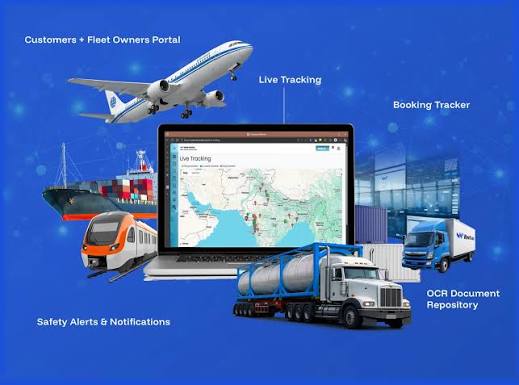
How Digital Transformation Is Reshaping International Logistics and Global Trade
Short Description: Discover how digital transformation is improving international logistics through automation, real-time shipment tracking, intelligent data management, and advanced transportation solutions for global businesses.
Introduction
International logistics has become an essential part of modern business operations. Companies across different industries depend on efficient transportation networks to move raw materials, finished products, and commercial goods across international borders. As global trade continues to expand, traditional logistics processes are facing new challenges related to shipment visibility, operational costs, delivery timelines, documentation, and supply chain coordination.
Digital transformation is changing the way logistics companies operate. Modern technologies are helping businesses simplify complex transportation activities, improve communication, and make better decisions throughout the shipping process. From automated documentation to intelligent shipment monitoring, digital solutions are creating new opportunities for companies involved in international trade.
1. The Growing Importance of Digital Logistics
The logistics industry has traditionally depended on manual coordination, paperwork, telephone communication, and separate transportation management systems. Although these methods have supported global trade for many years, they can create unnecessary delays and communication gaps.
Digital logistics platforms bring important operational information together in one place. Businesses can access shipment details, transportation schedules, cargo information, and documentation more efficiently.
This improved accessibility allows logistics teams to coordinate activities with suppliers, shipping partners, customs representatives, and customers. As a result, companies can manage international shipments with greater accuracy and consistency.
2. Real-Time Shipment Tracking and Visibility
Shipment visibility is one of the most important requirements in international transportation. Businesses need reliable information about where their cargo is located and when it is expected to reach its destination.
Modern tracking technologies help logistics providers monitor shipment movement and share transportation updates with customers. Real-time information improves planning and allows businesses to prepare for possible delays.
Better shipment visibility also supports inventory management. Companies can estimate when goods will arrive, organize warehouse operations, and plan product distribution according to updated delivery schedules.
3. Automation in Logistics Documentation
International shipping involves several important documents, including commercial invoices, packing lists, bills of lading, shipping instructions, and customs-related paperwork.
Manual documentation can increase the possibility of errors, missing information, and processing delays. Digital documentation systems help businesses organize records, manage important shipment details, and reduce repetitive administrative activities.
Automation also improves information sharing between different stakeholders. When documents are properly prepared and accessible, businesses can manage shipping procedures more efficiently and maintain better operational records.
4. Artificial Intelligence and Data-Driven Decisions
Artificial intelligence and data analytics are creating new opportunities for logistics planning. Businesses can use historical shipment information, transportation patterns, and demand forecasts to make more informed decisions.
Predictive analytics can help companies identify potential delivery disruptions, estimate transportation requirements, and evaluate different shipping routes.
For example, businesses managing frequent international shipments can study previous delivery performance to identify inefficient routes or recurring delays. These insights can support better transportation planning and more effective resource allocation.
5. Improving International Freight Coordination
International freight transportation often involves multiple service providers and transportation methods. Coordinating these activities requires accurate communication and timely information sharing.
Digital systems help logistics teams organize cargo schedules, transportation arrangements, shipment documents, and delivery updates. Better coordination between sea freight, air freight, road transportation, and warehouse operations supports a smoother movement of goods.
Effective coordination is particularly important for businesses that manage shipments across multiple countries and international trade routes.
6. Cybersecurity and Data Protection in Logistics
As logistics operations become increasingly digital, protecting business information is becoming more important. Shipment records, customer information, commercial documents, and transportation details must be handled securely.
Companies should adopt appropriate access controls, secure information-sharing methods, regular system updates, and reliable data backup procedures.
Strong information security practices help businesses maintain operational continuity while protecting sensitive commercial information.
7. The Future of Technology-Driven Logistics
The future of international logistics will be shaped by technologies such as artificial intelligence, Internet of Things devices, cloud-based platforms, automation, and advanced analytics.
These technologies can improve shipment monitoring, warehouse efficiency, transportation planning, and communication across global supply chains.
Businesses that adopt suitable digital solutions will be better equipped to respond to changing customer expectations and international trade requirements.
Conclusion
Digital transformation is becoming a major part of modern international logistics. From real-time tracking and automated documentation to predictive analytics and improved freight coordination, technology is helping businesses build more efficient transportation operations.
For companies participating in global trade, adopting modern logistics practices can improve shipment visibility, strengthen coordination, and support long-term business growth.
SkyLink Global focuses on logistics solutions and international transportation coordination that help businesses navigate the evolving requirements of global trade. With better planning and modern operational practices, companies can build stronger connections across international markets.
EXIM & Logistics Specialist at SkyLink Global Services. Specializing in statutory customs compliance, freight procurement, and international cross-border multimodal routing.