
Multimodal Transportation in International Trade | SkyLink Global
Understand how multimodal transportation combines sea, air, road, and rail freight to improve international shipping, cargo connectivity, and supply chain efficiency.
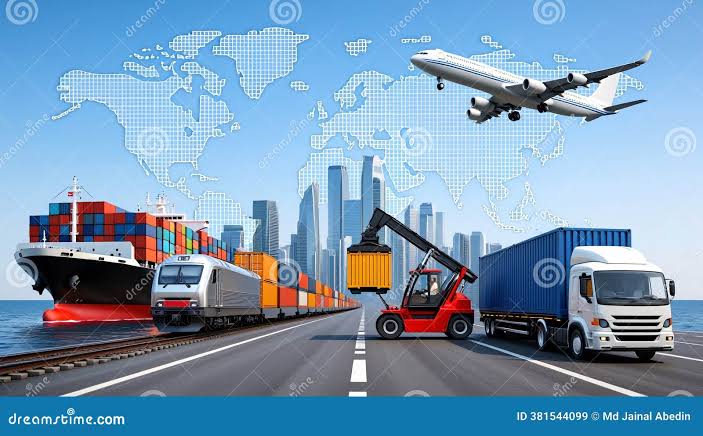
The Importance of Multimodal Transportation in Modern International Trade
Short Description: Learn how multimodal transportation connects sea, air, rail, and road freight networks to improve international cargo movement, transportation flexibility, and global supply chain efficiency.
Introduction
International trade depends on the smooth movement of goods between manufacturers, suppliers, distributors, and customers located in different parts of the world. As businesses expand into international markets, transportation becomes increasingly complex. Companies must select suitable shipping methods, coordinate multiple logistics partners, manage documentation, and ensure that cargo reaches its destination safely and on schedule.
Multimodal transportation has become an important solution for managing these requirements. It combines different transportation methods to move goods efficiently from the point of origin to the final destination. By integrating sea, air, rail, and road freight, businesses can create transportation plans that match their shipment requirements and commercial objectives.
1. Understanding Multimodal Transportation
Multimodal transportation refers to the movement of cargo using two or more different modes of transportation under a coordinated transport arrangement.
For example, goods manufactured in an industrial city may first travel by truck to a seaport, continue by ocean freight to another country, and then move by rail or road to their final destination.
Instead of relying on only one transportation method, businesses can combine different freight options to create a connected shipping network.
This approach is particularly useful for international shipments involving long distances, multiple geographical regions, and different transportation infrastructure systems.
2. The Role of Sea Freight in Global Cargo Movement
Sea freight remains one of the most widely used transportation methods for international commercial shipments. It is particularly suitable for large cargo volumes, heavy equipment, industrial materials, and containerized goods.
Ocean transportation connects major international ports and supports trade between countries located across different continents.
Businesses often choose sea freight when shipment volume, cargo characteristics, and delivery schedules make ocean transportation a suitable option.
When integrated with road or rail transportation, sea freight becomes an important part of an effective multimodal logistics network.
3. Air Freight for Time-Sensitive Shipments
Air freight provides faster transportation for businesses that need to move goods across long international distances within shorter delivery periods.
It is commonly used for electronics, pharmaceutical products, urgent commercial shipments, valuable goods, and other cargo requiring faster transportation.
Although air transportation generally involves higher costs than sea freight, it can offer important advantages when delivery time is a major business priority.
Combining air freight with road transportation allows businesses to connect airports with warehouses, distribution centres, and final delivery locations.
4. Road and Rail Transportation for Better Connectivity
Road transportation plays an important role in connecting factories, warehouses, ports, airports, and distribution facilities. Its flexibility makes it useful for first-mile and last-mile cargo movement.
Rail freight, on the other hand, can support the transportation of large cargo volumes over long distances, particularly across regions with established railway networks.
Both transportation methods contribute to multimodal logistics by connecting major shipping routes with inland destinations.
Selecting the appropriate combination depends on cargo volume, destination, infrastructure availability, delivery schedules, and transportation costs.
5. Benefits of Multimodal Transportation for Businesses
One of the main advantages of multimodal transportation is flexibility. Businesses can select different transportation methods according to their specific shipment requirements.
Other important benefits include:
Improved Route Flexibility: Multiple transportation options allow businesses to plan alternative routes according to cargo requirements and destination accessibility.
Better Shipment Coordination: Coordinated transportation arrangements help connect different stages of the shipping process.
Suitable Freight Selection: Businesses can choose transportation methods based on shipment urgency, size, weight, and budget.
Expanded Market Connectivity: Integrated freight networks help connect inland business locations with international trade routes.
Improved Supply Chain Planning: Better coordination between transportation stages supports more organized cargo movement.
The actual benefits depend on the shipment route, service availability, cargo type, and operational arrangements.
6. Challenges in Multimodal International Shipping
Despite its advantages, multimodal transportation requires careful planning and coordination.
Different transportation providers may follow different operational procedures, documentation requirements, schedules, and handling standards. Businesses must ensure that information is communicated accurately between all parties involved.
Customs procedures, port congestion, weather conditions, transportation disruptions, and infrastructure limitations can also affect delivery schedules.
Proper documentation and coordination are essential for minimizing avoidable delays. Businesses should also understand the responsibilities of each logistics partner and the terms governing the transportation arrangement.
7. How Technology Supports Multimodal Logistics
Technology is making multimodal transportation easier to manage. Digital shipment management systems help logistics providers organize transportation schedules, monitor cargo movement, and share updates across different stages of delivery.
Shipment tracking tools can improve visibility, while digital documentation helps organize important shipping records.
Data analytics can also support route evaluation, transportation planning, and operational performance monitoring.
By using appropriate digital tools, businesses can improve communication and manage complex international transportation activities more effectively.
8. Choosing the Right Multimodal Shipping Strategy
Every shipment has different transportation requirements. Businesses should evaluate cargo dimensions, weight, destination, delivery urgency, budget, and applicable regulatory requirements before selecting a shipping arrangement.
For example, a company exporting heavy industrial machinery may prefer a combination of road and sea freight, while a business shipping urgent commercial products may require air freight connected with road transportation.
A carefully designed transportation strategy should balance delivery expectations, operational requirements, cargo safety, and overall logistics costs.
Conclusion
Multimodal transportation is an important part of modern international trade. By connecting sea, air, rail, and road freight, businesses can develop flexible transportation arrangements that support international cargo movement and wider market connectivity.
Successful multimodal shipping requires accurate planning, reliable coordination, proper documentation, and effective communication between logistics partners.
SkyLink Global recognizes the importance of coordinated logistics operations in international trade. Through effective transportation planning and global logistics coordination, businesses can strengthen their shipping networks and manage international cargo requirements with greater confidence.
As global trade continues to evolve, multimodal transportation will remain an important strategy for building connected and efficient supply chains.
EXIM & Logistics Specialist at SkyLink Global Services. Specializing in statutory customs compliance, freight procurement, and international cross-border multimodal routing.