
Cold Chain Logistics: Ensuring Safe and Efficient Temperature-Controlled Transportation
Discover how cold chain logistics ensures the safe transportation of temperature-sensitive goods through refrigerated transportation, real-time temperature monitoring, and efficient supply chain management. Learn how businesses can maintain product quality, reduce spoilage, and improve the reliability of global cold chain operations.
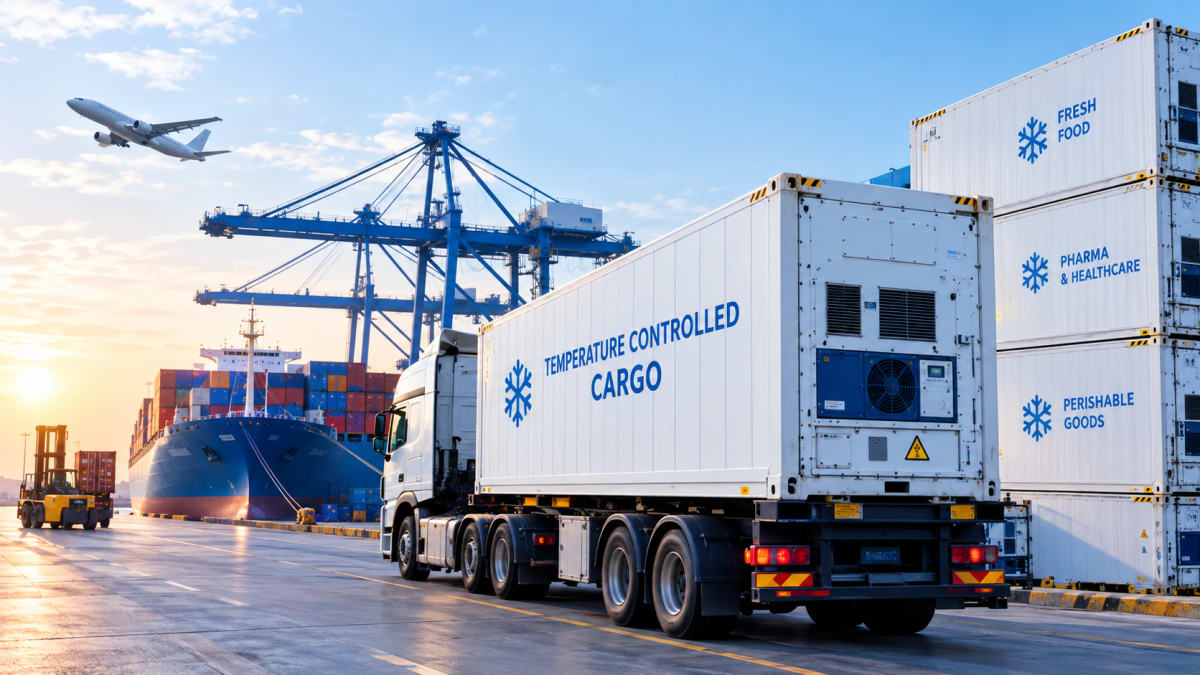
Cold Chain Logistics: Ensuring Safe and Efficient Temperature-Controlled Transportation
Introduction
In today's interconnected global economy, transporting temperature-sensitive goods safely is a major challenge for businesses across industries. Food products, pharmaceuticals, vaccines, chemicals, and other perishable materials require carefully controlled conditions throughout their journey. This is where cold chain logistics plays a critical role.
Cold chain logistics refers to the specialized transportation, storage, and handling of products that must remain within specific temperature ranges. From the point of origin to the final destination, every stage must be carefully managed to preserve product quality, safety, and usability.
For businesses involved in international trade, an efficient cold chain system helps minimize product losses, maintain quality standards, and ensure reliable deliveries across global markets.
What Is Cold Chain Logistics?
Cold chain logistics is a temperature-controlled supply chain designed to protect products that may deteriorate when exposed to unsuitable environmental conditions.
Unlike conventional transportation, cold chain operations require specialized equipment, refrigerated storage facilities, temperature-monitoring systems, and coordinated handling procedures.
A typical cold chain process includes:
Temperature-controlled storage at the point of origin.
Refrigerated transportation by road, air, or sea.
Temperature monitoring during transit.
Proper handling during loading and unloading.
Coordinated customs clearance and documentation.
Controlled storage and delivery at the destination.
Maintaining the required temperature throughout these stages is essential to prevent spoilage, contamination, and product degradation.
Why Cold Chain Logistics Matters for Global Trade
International shipments frequently travel across multiple locations, transportation networks, and customs checkpoints. Delays, inadequate storage, and temperature fluctuations can affect sensitive cargo and increase operational costs.
An effective cold chain system helps businesses address these challenges through better planning, specialized transportation, and continuous monitoring.
1. Maintaining Product Quality
Temperature-sensitive products can lose their effectiveness or freshness when exposed to unsuitable conditions. Refrigerated containers, insulated packaging, and appropriate storage facilities help maintain the required environmental conditions throughout transportation.
2. Reducing Product Spoilage
Perishable goods can deteriorate rapidly when temperature requirements are not maintained. Proper handling procedures and continuous monitoring help identify potential problems before they result in significant losses.
3. Supporting Pharmaceutical Transportation
Medicines, vaccines, biological materials, and certain medical products may require strict temperature controls. Reliable cold chain operations help protect product integrity while supporting the handling and transportation requirements applicable to pharmaceutical shipments.
4. Improving International Supply Chain Reliability
A well-coordinated cold chain connects suppliers, freight forwarders, carriers, warehouses, customs authorities, and final customers. Better coordination helps reduce avoidable delays and improves shipment visibility.
Key Components of an Effective Cold Chain System
Temperature-Controlled Storage
Cold storage facilities provide suitable environmental conditions for products before dispatch and after arrival. Different products may require different temperature ranges, making appropriate storage planning essential.
Refrigerated Transportation
Refrigerated trucks, temperature-controlled air cargo facilities, and refrigerated shipping containers help maintain suitable conditions during transit.
The transportation method should be selected according to the product's requirements, shipment size, delivery timeline, and destination.
Real-Time Temperature Monitoring
Temperature-monitoring devices and connected sensors can help logistics teams track shipment conditions throughout transportation.
Alerts can notify operators when temperatures move outside predefined limits, allowing them to investigate and take appropriate corrective action.
Packaging and Handling
Insulated packaging, refrigerants, suitable containers, and careful loading procedures help protect products against temperature fluctuations.
Packaging requirements should be determined according to the cargo type, expected transit duration, external conditions, and applicable handling standards.
Documentation and Compliance
International shipments may require specialized documentation, product declarations, temperature records, permits, and other regulatory documents.
Accurate documentation and advance coordination help businesses prepare for customs clearance and reduce the risk of avoidable delays.
Common Challenges in Cold Chain Transportation
Despite improvements in logistics technology, maintaining an uninterrupted cold chain remains challenging.
Temperature fluctuations: Equipment failures, incorrect settings, or extended exposure to external conditions can affect cargo quality.
Customs delays: International shipments may experience delays when documentation is incomplete or inspections take longer than expected.
Limited infrastructure: Some destinations may have limited refrigerated storage facilities or specialized transportation options.
High operational costs: Refrigerated equipment, specialized packaging, monitoring technology, and energy consumption can increase transportation expenses.
Limited shipment visibility: Without effective monitoring and communication, identifying temperature-related problems quickly can be difficult.
Businesses can address these challenges through appropriate route planning, equipment maintenance, shipment monitoring, and coordination among logistics partners.
How Technology Is Improving Cold Chain Management
Technology is helping businesses improve visibility, coordination, and decision-making across temperature-controlled supply chains.
Internet of Things (IoT) Sensors
IoT-enabled sensors can collect temperature and other shipment-condition data. This information helps logistics teams monitor cargo and identify potential risks during transportation.
Digital Shipment Tracking
Digital tracking platforms provide shipment updates and improve communication between suppliers, logistics providers, and customers.
Predictive Planning
Historical shipment information and operational data can help businesses identify recurring delays, improve route planning, and prepare for potential disruptions.
Automated Alerts and Reporting
Automated alerts can notify relevant teams when monitored conditions exceed specified limits. Digital records also support shipment reviews and operational documentation.
These technologies help businesses make informed decisions while improving accountability throughout the cold chain.
Best Practices for Efficient Cold Chain Operations
Businesses can strengthen their temperature-controlled logistics processes by following several practical measures.
Select transportation equipment appropriate for the cargo's temperature requirements.
Verify that refrigerated equipment is operating correctly before loading.
Use suitable packaging and handling procedures.
Monitor temperature conditions throughout the shipment journey.
Prepare accurate shipping and customs documentation.
Plan routes and transit schedules with potential delays in mind.
Establish procedures for responding to equipment failures and temperature deviations.
Coordinate regularly with suppliers, carriers, warehouses, and customs representatives.
Review shipment performance to identify opportunities for improvement.
Implementing these practices helps businesses reduce avoidable risks and build more dependable supply chains.
The Role of Logistics Partners in Cold Chain Operations
Managing an international cold chain requires coordination across multiple service providers and transportation stages. Logistics partners can support businesses with shipment planning, freight coordination, documentation, transportation arrangements, and delivery visibility.
Selecting an experienced logistics partner is particularly important when shipments involve sensitive cargo, complex international routes, or strict delivery schedules.
Businesses should evaluate service capabilities, destination coverage, communication processes, shipment visibility, and experience with the relevant cargo category before selecting a logistics provider.
Conclusion
Cold chain logistics is an essential part of modern international trade, particularly for industries that depend on the safe transportation of temperature-sensitive products.
By combining suitable storage facilities, refrigerated transportation, continuous monitoring, accurate documentation, and effective coordination, businesses can protect cargo quality and improve supply chain reliability.
As international trade continues to evolve, technology-driven monitoring and better logistics planning will remain important for building efficient and dependable cold chain operations.
For businesses transporting temperature-sensitive goods across borders, investing in effective cold chain management can support better product protection, improved operational visibility, and more reliable deliveries.
EXIM & Logistics Specialist at SkyLink Global Services. Specializing in statutory customs compliance, freight procurement, and international cross-border multimodal routing.