
Cold Chain Solutions: Ensuring Safe and Efficient Transportation of Temperature-Sensitive Products
Cold chain solutions play a vital role in maintaining the quality and safety of temperature-sensitive products during storage and transportation. Discover how refrigerated transport, temperature monitoring, specialized packaging, and efficient logistics planning help pharmaceutical companies, food distributors, and other businesses reduce product damage and improve supply chain efficiency.
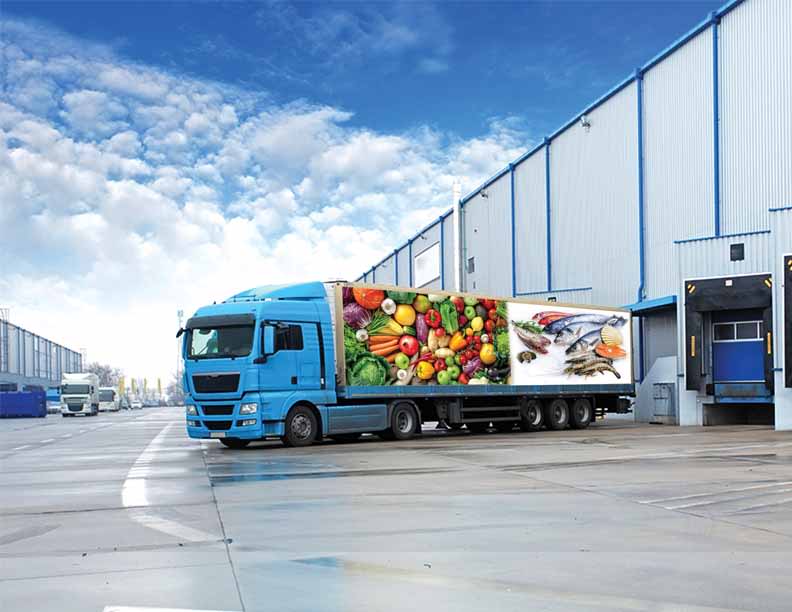
Cold Chain Solutions: Ensuring Safe and Efficient Transportation of Temperature-Sensitive Products
Introduction
Modern supply chains depend on the safe and timely movement of products across cities, countries, and international markets. However, not every product can withstand ordinary storage and transportation conditions. Pharmaceuticals, vaccines, biological materials, dairy products, frozen foods, and fresh produce may require specific temperature ranges to maintain their quality and usability.
This is where cold chain solutions become essential. Cold chain logistics combines temperature-controlled storage, specialized transportation, suitable packaging, temperature monitoring, and coordinated handling procedures to protect sensitive products throughout their journey.
For businesses involved in pharmaceutical distribution, food exports, healthcare supplies, and international trade, an effective cold chain strategy can help reduce product losses, improve delivery reliability, and maintain supply chain efficiency.
1. What Are Cold Chain Solutions?
Cold chain solutions are systems and services designed to maintain the required temperature conditions for sensitive products during storage, handling, and transportation.
Unlike conventional logistics, cold chain operations require continuous attention to temperature requirements and the conditions that may affect product quality.
A typical cold chain may include refrigerated warehouses, temperature-controlled vehicles, insulated containers, specialized packaging, monitoring equipment, and trained logistics personnel.
Each stage must be planned according to the characteristics of the cargo. For example, frozen food may require different conditions from refrigerated medicines, while some pharmaceutical products require carefully controlled temperature ranges throughout transportation.
Businesses must identify the specific requirements of their products before selecting an appropriate cold chain solution.
2. Why Cold Chain Logistics Is Important
Temperature-sensitive products can deteriorate when exposed to unsuitable conditions. In some cases, damage may not be immediately visible, making temperature control especially important for products such as medicines and vaccines.
A reliable cold chain helps businesses maintain appropriate storage and transportation conditions while reducing avoidable handling risks.
For pharmaceutical companies, effective cold chain management supports product stability and quality assurance. For food distributors, it helps preserve freshness and reduce spoilage. For exporters, it supports the movement of temperature-sensitive goods across longer distances and through multiple transportation stages.
Cold chain planning also helps companies coordinate warehouse operations, shipment schedules, distribution networks, and delivery commitments more effectively.
3. Key Components of an Effective Cold Chain System
An efficient cold chain depends on several interconnected components.
Temperature-Controlled Storage
Cold storage facilities provide suitable environments for products that require refrigeration or freezing. Businesses should select storage facilities according to product-specific temperature requirements, capacity needs, monitoring arrangements, and applicable quality standards.
Proper warehouse management also includes organized stock rotation, batch tracking, and procedures that minimize unnecessary exposure to external temperatures.
Refrigerated Transportation
Refrigerated trucks, temperature-controlled containers, and other suitable transport systems help maintain the required conditions during transit.
Transportation planning should consider route distance, expected journey duration, loading procedures, delivery schedules, and the reliability of refrigeration equipment.
Specialized Packaging
Insulated packaging, refrigerants, and qualified temperature-control packaging systems may be needed for certain shipments.
The packaging solution should be selected according to the product's temperature requirements, expected transit time, external conditions, and handling risks.
Temperature Monitoring
Temperature monitoring devices and data loggers help record conditions during storage and transportation.
Where appropriate, real-time monitoring systems can provide alerts when readings move outside predefined limits. These alerts allow responsible teams to investigate potential problems and follow established corrective procedures.
4. How Cold Chain Solutions Support the Pharmaceutical Industry
The pharmaceutical industry relies on effective logistics to transport medicines, vaccines, biologics, and other healthcare products.
Some products require strict temperature management throughout the supply chain. A temperature excursion can create quality concerns and may require further assessment before the affected products can be used or distributed.
Pharmaceutical companies should establish appropriate handling procedures, use suitable transportation services, and maintain accurate temperature records.
They should also coordinate with logistics partners to confirm storage requirements, expected transit times, monitoring arrangements, and procedures for dealing with unexpected delays.
A well-managed pharmaceutical cold chain supports product quality, traceability, and dependable distribution to hospitals, pharmacies, healthcare facilities, and authorized distributors.
5. Cold Chain Solutions for Food and Perishable Goods
Food supply chains also benefit significantly from temperature-controlled logistics.
Fresh fruits, vegetables, dairy products, meat, seafood, and frozen foods may require different temperature and humidity conditions to preserve quality during transportation and storage.
Inadequate refrigeration, extended loading times, poor packaging, or delays at distribution points can increase spoilage risks.
Businesses can improve food logistics by planning appropriate storage conditions, using suitable refrigerated vehicles, minimizing unnecessary handling, and coordinating delivery schedules with suppliers and retailers.
Maintaining the correct conditions throughout the journey helps reduce waste and supports more reliable distribution of perishable goods.
6. Common Challenges in Cold Chain Operations
Despite improvements in logistics technology, cold chain operations can face several challenges.
Temperature fluctuations: Refrigeration failures, power interruptions, or improper handling can cause temperature deviations.
Transportation delays: Traffic, port congestion, customs inspections, and unexpected route disruptions can extend transit times.
High operating costs: Refrigerated vehicles, specialized packaging, energy consumption, monitoring systems, and qualified storage facilities can increase logistics expenses.
Limited shipment visibility: Without adequate monitoring and communication, businesses may struggle to identify problems quickly.
Coordination gaps: Poor communication between suppliers, warehouses, transporters, and receiving facilities can create delays and handling errors.
Addressing these challenges requires careful planning, preventive maintenance, trained personnel, reliable monitoring, and clearly defined responsibilities.
7. Technology and Digital Monitoring in Cold Chain Logistics
Technology is helping businesses improve the visibility and management of temperature-sensitive shipments.
Temperature sensors, digital data loggers, GPS-enabled tracking, and connected monitoring systems can provide useful information about cargo conditions and shipment progress.
These tools can help logistics teams identify temperature deviations, investigate delays, and maintain records for operational review.
Digital inventory systems can also improve batch tracking, stock rotation, and coordination between warehouses and transportation providers.
However, technology alone cannot guarantee product safety. Monitoring systems must be suitable for the intended use, maintained correctly, and supported by established procedures for responding to alerts.
8. Best Practices for Improving Cold Chain Efficiency
Businesses can strengthen their cold chain operations by adopting the following practices:
Define product-specific temperature requirements before arranging transportation.
Select qualified logistics providers with suitable temperature-control capabilities.
Inspect refrigeration equipment and storage facilities regularly.
Use packaging solutions appropriate for the product and expected transit duration.
Monitor shipment conditions and maintain accurate records.
Train employees in loading, unloading, handling, and emergency procedures.
Plan routes and delivery schedules to minimize avoidable delays.
Establish procedures for investigating temperature excursions.
Coordinate shipment documentation and customs requirements before dispatch.
Review shipment performance and identify recurring operational problems.
These practices can help businesses reduce avoidable losses, improve coordination, and strengthen the reliability of temperature-controlled logistics.
9. Choosing the Right Cold Chain Logistics Partner
Selecting a suitable logistics partner is an important part of cold chain planning.
Businesses should evaluate a provider's transportation network, storage capabilities, shipment monitoring arrangements, route coverage, documentation processes, and experience with the relevant type of cargo.
For pharmaceutical products, companies should also confirm whether the provider can meet the applicable handling, quality, and temperature-management requirements.
For international shipments, it is important to understand transit times, customs coordination, handover procedures, and the availability of suitable services at the destination.
Clear communication between the shipper and logistics provider helps establish realistic delivery schedules and ensures that product-specific requirements are understood before transportation begins.
10. How Skylink Global Fits into Efficient Logistics Planning
Efficient cold chain operations require coordination across transportation, shipment documentation, delivery schedules, and supply chain partners.
Skylink Global provides logistics-related solutions to support businesses in managing transportation and international supply chain activities.
Companies handling temperature-sensitive products should identify their cargo requirements, destination markets, expected shipment volumes, and delivery timelines before arranging transportation.
Working with an appropriate logistics partner and establishing clear handling and communication procedures can help businesses plan shipments more effectively and manage potential disruptions.
The specific cold chain arrangements required will depend on the product, route, temperature range, and applicable quality requirements.
Conclusion
Cold chain solutions are essential for businesses transporting products that require controlled temperature conditions. From pharmaceutical products and vaccines to fresh food and frozen goods, maintaining suitable conditions throughout storage and transportation helps protect product quality and reduce avoidable losses.
By combining appropriate refrigeration, specialized packaging, temperature monitoring, trained personnel, and effective logistics planning, businesses can improve the reliability of their supply chains.
As international trade and customer expectations continue to evolve, a well-planned cold chain strategy can help companies manage operational challenges and move temperature-sensitive products more efficiently.
EXIM & Logistics Specialist at SkyLink Global Services. Specializing in statutory customs compliance, freight procurement, and international cross-border multimodal routing.