
Cold Storage Warehousing: Maintaining Product Quality Through Smart Storage Solutions
Cold storage warehousing helps businesses preserve temperature-sensitive products through controlled storage environments and organized inventory management. From food and pharmaceuticals to perishable goods, temperature-controlled facilities support product quality, reduce spoilage, improve stock handling, and maintain reliable supply chain operations.
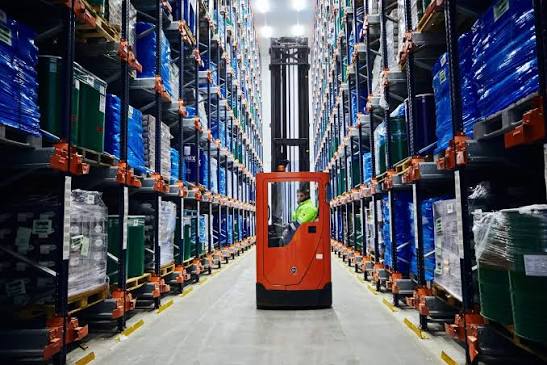
Cold Storage Warehousing: Maintaining Product Quality Through Smart Storage Solutions
Modern supply chains handle different types of products that require specific storage conditions. While many goods can be stored under normal warehouse conditions, certain products need controlled temperatures to maintain their quality, safety, and usability. Food products, pharmaceutical supplies, dairy items, frozen goods, and other temperature-sensitive materials require specialized storage facilities.
Cold storage warehousing provides businesses with an organized environment where products can be maintained under suitable temperature conditions throughout their storage period. These facilities play an important role in industries where product quality depends on proper temperature management.
As international trade and distribution networks continue to expand, temperature-controlled warehousing has become an important part of modern logistics operations.
Understanding Cold Storage Warehousing
Cold storage warehousing refers to specialized storage facilities designed to maintain specific temperature conditions for different categories of products.
These warehouses use refrigeration equipment, insulation systems, temperature monitoring devices, and organized inventory procedures to maintain suitable storage environments.
Different products require different temperature ranges. For example, frozen food products, fresh fruits, dairy items, and pharmaceutical materials may have separate storage requirements.
Businesses must select appropriate storage conditions according to product specifications and applicable handling guidelines.
Importance of Temperature Monitoring
Maintaining consistent temperature conditions is one of the most important responsibilities in cold storage management.
Unexpected temperature changes can affect product quality and may result in spoilage or damage. Continuous monitoring helps warehouse operators identify temperature fluctuations and take corrective action when necessary.
Modern cold storage facilities may use digital sensors, automated monitoring systems, and temperature recording devices to track storage conditions.
Regular equipment inspections and accurate temperature records also help businesses maintain better control over their storage operations.
Managing Inventory in Temperature-Controlled Warehouses
Inventory management in cold storage facilities requires additional planning because products must remain within their recommended storage conditions.
Businesses should organize products according to their temperature requirements, expiration dates, product categories, and handling procedures.
A systematic inventory management process helps warehouse teams monitor stock availability, identify products approaching expiration, and coordinate timely dispatch activities.
Digital inventory systems can also improve stock visibility and reduce manual record-keeping errors.
Proper inventory rotation is particularly important for perishable goods because it helps ensure that older stock is handled before newer inventory.
Role of Cold Chain Logistics
Cold chain logistics involves maintaining appropriate temperature conditions during the transportation, storage, and distribution of temperature-sensitive products.
The process may include refrigerated transportation, temperature-controlled warehouses, specialized packaging, and monitoring systems.
Coordination between suppliers, warehouse operators, transportation providers, and distributors is essential for maintaining product quality throughout the supply chain.
A well-managed cold chain helps businesses reduce unnecessary product losses and maintain more reliable distribution operations.
Technology Transforming Cold Storage Operations
Modern technology is improving the way businesses manage temperature-controlled warehouses.
Digital temperature sensors provide continuous information about storage conditions. Warehouse management software helps monitor inventory movement and product locations. Automated alerts can notify operators when temperatures move outside specified limits.
Cloud-based monitoring systems also support better visibility and coordination between different operational teams.
These technologies help businesses maintain accurate records, improve warehouse planning, and respond more effectively to operational challenges.
Benefits of Professional Cold Storage Management
Properly managed cold storage facilities provide several advantages for businesses handling temperature-sensitive products.
They help maintain product quality, reduce spoilage risks, support organized inventory management, and improve distribution planning.
Some important benefits include:
Better preservation of temperature-sensitive products.
Reduced risk of inventory spoilage.
Improved temperature monitoring and control.
Organized stock rotation and inventory tracking.
More reliable storage and distribution operations.
Better coordination throughout the cold chain.
Improved visibility of temperature-sensitive inventory.
These advantages make cold storage management an important consideration for businesses operating in food distribution, pharmaceuticals, agriculture, and international trade.
Conclusion
Cold storage warehousing plays a significant role in maintaining product quality and supporting modern supply chain operations. Temperature monitoring, organized inventory management, suitable refrigeration systems, and effective cold chain coordination help businesses manage sensitive products more efficiently.
As global distribution requirements continue to evolve, investing in reliable temperature-controlled storage solutions can help organizations improve product handling and strengthen their logistics capabilities.
SkyLink Global recognizes the importance of efficient logistics coordination and dependable supply chain practices in supporting the changing needs of modern businesses.
EXIM & Logistics Specialist at SkyLink Global Services. Specializing in statutory customs compliance, freight procurement, and international cross-border multimodal routing.