
How Artificial Intelligence Is Transforming Global Logistics and Supply Chain Management
Discover how artificial intelligence is transforming global logistics through predictive analytics, intelligent route planning, shipment tracking, and automated supply chain operations. Learn how AI helps logistics businesses improve efficiency, reduce transportation costs, anticipate disruptions, and make smarter decisions across international shipping networks.
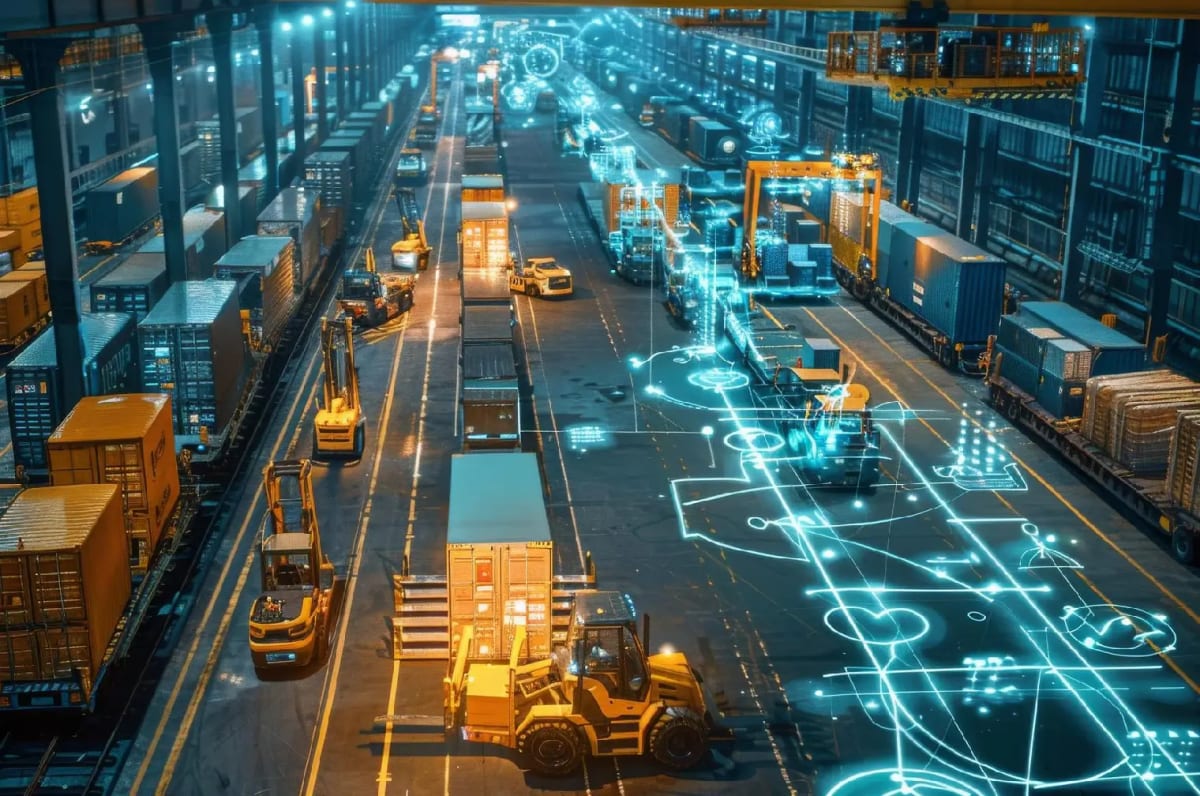
How Artificial Intelligence Is Transforming Global Logistics and Supply Chain Management
Introduction
Global logistics involves coordinating transportation, warehousing, freight forwarding, inventory management, and international shipments across multiple countries. As supply chains become more complex, businesses need smarter ways to manage operations, control costs, and deliver goods on time.
Artificial intelligence (AI) is emerging as a valuable technology for addressing these challenges. By analyzing large volumes of operational data, identifying patterns, and generating predictions, AI-powered systems can help logistics teams make faster and more informed decisions.
From route planning and shipment visibility to demand forecasting and warehouse management, artificial intelligence is changing how businesses organize their supply chains.
For companies involved in international trade, AI offers opportunities to improve operational efficiency, strengthen planning, and respond more effectively to changing market conditions.
What Is Artificial Intelligence in Logistics?
Artificial intelligence in logistics refers to the use of computer systems that analyze data, recognize patterns, generate predictions, and support operational decision-making.
These systems may use machine learning, predictive analytics, natural language processing, and optimization algorithms to solve logistics-related problems.
For example, an AI-powered platform can analyze historical shipment records, current traffic conditions, weather information, and delivery schedules to recommend suitable transportation routes.
AI can also help businesses estimate future demand, identify potential shipment delays, and automate repetitive administrative tasks.
Although AI can improve decision-making, its effectiveness depends on data quality, system integration, and appropriate human oversight.
1. Intelligent Route Optimization
Transportation planning is one of the most important areas where AI can support logistics operations.
Selecting an efficient route requires businesses to consider distance, traffic, fuel consumption, delivery deadlines, road conditions, and transportation restrictions.
AI-powered route optimization systems can analyze multiple variables and recommend routes based on specific business priorities.
Key Benefits
Reduced unnecessary travel and fuel consumption.
Improved delivery scheduling.
Better use of available vehicles.
Faster responses to unexpected disruptions.
More informed transportation planning.
For international freight, route planning may also involve port selection, vessel schedules, transshipment points, and connections between different transportation modes.
AI-supported recommendations can help logistics teams evaluate alternatives, while experienced professionals make the final decisions based on operational requirements.
2. Predictive Analytics for Supply Chain Planning
Traditional logistics planning often relies on historical records and manual forecasting. However, changing customer demand, seasonal patterns, transportation disruptions, and market conditions can make planning difficult.
AI-powered predictive analytics can examine historical sales, shipment volumes, inventory levels, and other relevant information to estimate future requirements.
How Predictive Analytics Helps
Businesses can use predictive insights to:
Forecast shipping demand.
Estimate inventory requirements.
Identify potential capacity shortages.
Anticipate seasonal transportation pressure.
Improve resource allocation.
Prepare for possible supply chain disruptions.
For example, an importer expecting increased demand during a seasonal sales period can use forecasting tools to plan freight bookings and warehouse capacity earlier.
Predictions are not guarantees, but they can help businesses prepare for different operational scenarios.
3. AI-Powered Shipment Tracking and Visibility
Shipment visibility is essential for importers, exporters, freight forwarders, and supply chain managers.
Traditional tracking systems often provide location updates at specific milestones. AI-enhanced platforms can combine tracking information with historical transit times, carrier schedules, weather conditions, and other available data.
This information can help estimate arrival times and identify shipments that may be at risk of delay.
Practical Applications
AI-supported shipment visibility can help businesses:
Estimate expected delivery times.
Identify unusual transit patterns.
Flag potential delays.
Prioritize shipments requiring attention.
Improve communication with customers.
Coordinate warehouse and delivery schedules.
For international shipping, better visibility can help businesses plan customs procedures, cargo collection, and onward transportation more effectively.
4. Automation of Logistics Documentation
Logistics operations generate substantial documentation, including commercial invoices, packing lists, bills of lading, shipping instructions, and customs declarations.
Preparing and reviewing these documents manually can consume time and introduce errors.
AI-enabled document processing tools can extract information from supported file formats, classify documents, and help identify missing or inconsistent details.
For example, an AI-assisted system may compare shipment information across an invoice and packing list to flag differences for review.
Benefits of Document Automation
Reduced repetitive data entry.
Faster document processing.
Improved identification of inconsistencies.
Better organization of shipment records.
More efficient administrative workflows.
However, AI-generated or extracted information should be verified by qualified personnel before documents are submitted to customs authorities or used for regulatory purposes.
5. AI in Warehouse and Inventory Management
Warehouses play a major role in storing, organizing, and distributing goods throughout the supply chain.
AI can support warehouse operations by analyzing inventory movements, order patterns, storage requirements, and picking activities.
Depending on the system, AI-assisted tools may recommend product placement, predict replenishment needs, or help warehouse managers allocate resources.
Improving Inventory Planning
Accurate demand forecasting can help businesses maintain appropriate stock levels. Better planning reduces the risk of excess inventory, storage pressure, and unexpected shortages.
Supporting Warehouse Automation
When integrated with suitable equipment, software, and sensors, AI can support automated picking systems, inventory identification, and warehouse movement planning.
These applications can improve productivity, although implementation requirements and results vary according to the facility and operational environment.
6. AI for Risk Management and Supply Chain Resilience
International logistics is exposed to a range of risks, including severe weather, port congestion, carrier disruptions, geopolitical events, and sudden changes in transportation capacity.
AI-supported risk analysis can examine available operational information to identify patterns associated with potential disruptions.
Businesses may use these insights to compare alternative routes, review supplier dependencies, and prepare contingency plans.
For example, if available information indicates that a transportation corridor may experience delays, a logistics team can assess alternative routing or shipment timing.
AI cannot predict every disruption accurately. Nevertheless, combining analytical tools with professional experience can improve preparedness and support faster responses when conditions change.
7. Benefits of AI for International Shipping Businesses
Artificial intelligence can provide several advantages when implemented for clearly defined operational needs.
Improved Operational Efficiency
Automation and data analysis can reduce time spent on repetitive tasks and help teams prioritize important activities.
Better Cost Management
Route optimization, improved capacity planning, and more accurate forecasting may help reduce avoidable transportation and inventory costs.
Faster Decision-Making
AI-generated insights can help managers compare alternatives and respond more quickly to changing conditions.
Enhanced Customer Communication
Improved shipment visibility and more informed arrival estimates can help businesses provide customers with clearer delivery updates.
Better Resource Utilization
Forecasting and optimization tools can support more effective allocation of vehicles, warehouse capacity, and transportation resources.
The actual benefits depend on implementation quality, available data, operational complexity, and the suitability of the chosen AI solution.
8. Challenges of Implementing AI in Logistics
Although AI offers valuable opportunities, businesses should evaluate several considerations before adopting these technologies.
Data quality: Incomplete or inaccurate information can reduce the reliability of predictions and recommendations.
Integration requirements: AI tools may need to connect with existing transportation management systems, warehouse platforms, and shipment databases.
Implementation costs: Software, infrastructure, training, and ongoing maintenance require appropriate investment.
Data security: Shipment records and commercial information must be protected through suitable access controls and security practices.
Human oversight: AI recommendations should be reviewed when decisions involve significant costs, regulatory requirements, safety, or customer commitments.
Businesses can begin with a focused use case, measure its performance, and expand gradually as their data and operational capabilities mature.
9. The Future of AI in Global Logistics
The role of AI in logistics is expected to continue developing as digital systems become more connected and organizations gain access to better operational data.
Future applications may include more accurate estimated arrival times, increasingly responsive transportation planning, improved demand forecasting, and greater automation of routine administrative activities.
Combining AI with Internet of Things sensors, digital tracking platforms, and integrated supply chain systems may also improve visibility across different stages of international transportation.
However, successful adoption will depend on practical business requirements, reliable data, responsible implementation, and collaboration between technology providers and logistics professionals.
Conclusion
Artificial intelligence is creating new opportunities to improve global logistics and supply chain management. Through intelligent route optimization, predictive analytics, shipment visibility, document processing, and inventory planning, AI can help businesses manage complex transportation networks more effectively.
For importers, exporters, freight forwarders, and logistics providers, the greatest value comes from applying AI to specific operational challenges rather than adopting technology without a clear purpose.
By combining AI-driven insights with experienced professionals and reliable logistics processes, businesses can strengthen planning, improve operational visibility, and build more adaptable international supply chains.
EXIM & Logistics Specialist at SkyLink Global Services. Specializing in statutory customs compliance, freight procurement, and international cross-border multimodal routing.