
How Efficient Supply Chain Management Strengthens Global Trade
Efficient supply chain management plays a vital role in international trade by improving transportation, reducing operational costs, and ensuring timely deliveries. Discover how businesses can optimize logistics operations, strengthen supplier relationships, manage international shipments, and build reliable global trade networks to achieve sustainable growth in competitive international markets
Introduction
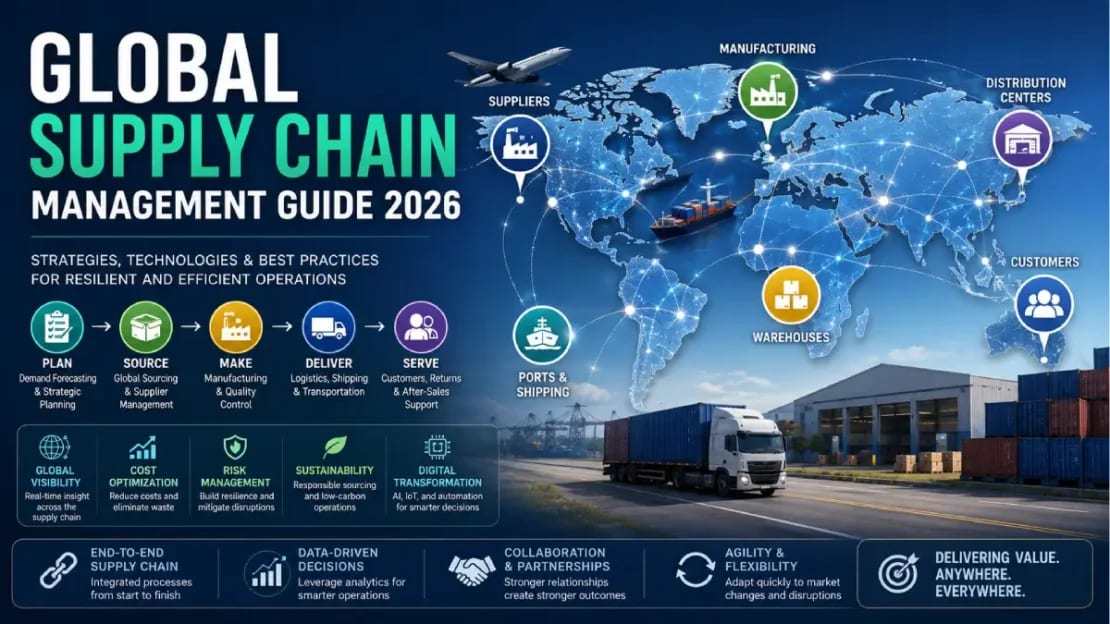
Global trade has become an essential part of modern business operations, connecting manufacturers, suppliers, distributors, and customers across different countries. As international markets continue to expand, businesses need reliable supply chain management strategies to ensure smooth transportation, efficient inventory handling, and timely delivery of goods.
An efficient supply chain does more than move products from one location to another. It connects multiple business operations, including procurement, warehousing, transportation, customs documentation, and final distribution. Proper coordination between these activities helps companies improve productivity and maintain competitiveness in international markets.
Understanding Supply Chain Management in Global Trade
Supply chain management refers to the complete process of planning, organizing, and controlling the movement of products, information, and resources from suppliers to final customers.
In international trade, supply chains involve several stages, such as sourcing raw materials, manufacturing products, arranging transportation, managing export documentation, handling customs clearance, and delivering shipments to their destinations.
Each stage requires proper coordination. Even a small delay in documentation or transportation can affect delivery schedules and increase operational expenses. Businesses therefore need structured logistics planning to maintain smooth international trade operations.
Importance of Efficient Logistics Planning
Logistics planning is one of the most important elements of successful supply chain management. Companies must select suitable transportation methods, identify reliable shipping routes, and coordinate shipment schedules according to their business requirements.
Air freight, sea freight, road transportation, and multimodal logistics provide different solutions depending on shipment size, delivery urgency, destination, and budget.
Effective planning helps businesses:
Reduce unnecessary transportation expenses.
Improve shipment visibility and tracking.
Minimize delivery delays.
Manage inventory more effectively.
Improve coordination between suppliers and customers.
By developing a well-organized logistics strategy, companies can improve operational efficiency and provide better customer service.
The Role of Technology in Modern Supply Chains
Technology is transforming the way businesses manage international shipments and logistics operations. Digital tracking platforms, automated documentation systems, shipment management software, and real-time communication tools help companies monitor their supply chains more effectively.
Businesses can use digital solutions to track cargo movement, manage shipping information, identify potential delays, and improve communication with logistics partners.
Advanced data analysis also helps organizations understand transportation patterns, forecast demand, and make better operational decisions.
Adopting modern logistics technology allows businesses to improve transparency, reduce manual errors, and respond quickly to changing market conditions.
Managing International Shipping and Customs Documentation
International shipments require accurate documentation and compliance with applicable customs regulations. Depending on the shipment and destination, documents may include commercial invoices, packing lists, bills of lading, shipping bills, certificates of origin, and other required regulatory documents.
Incorrect or incomplete paperwork can lead to customs delays, additional charges, and shipment complications.
Businesses should maintain accurate shipment records, verify documentation requirements, and coordinate with experienced logistics professionals to support smooth customs procedures.
Proper documentation management helps reduce administrative challenges and keeps international cargo movement organized.
Strategies to Reduce Supply Chain Costs
Controlling logistics expenses is important for maintaining profitability in international trade. Businesses can improve cost efficiency through better shipment planning, transportation selection, route optimization, and supplier coordination.
Combining smaller shipments where practical, selecting suitable freight options, avoiding unnecessary storage expenses, and planning inventory requirements can help reduce overall operational costs.
Companies should also regularly review logistics performance and identify areas where transportation time, documentation processes, and warehouse operations can be improved.
Building a Reliable Global Supply Chain
A strong global supply chain depends on reliable logistics partners, transparent communication, accurate planning, and continuous performance monitoring.
Businesses should develop long-term relationships with suppliers and transportation providers while maintaining alternative arrangements for unexpected disruptions.
Regular performance evaluations, shipment tracking, and effective risk management can help companies maintain business continuity and improve customer satisfaction.
Conclusion
Efficient supply chain management is a major factor in successful international trade. From transportation planning and customs documentation to digital tracking and cost optimization, every stage contributes to reliable global business operations.
Companies that invest in organized logistics processes and modern supply chain solutions can improve delivery performance, control expenses, and strengthen their international business networks.
SkyLink Global supports businesses with logistics and international trade solutions designed to simplify cargo movement and improve supply chain operations across global markets.
EXIM & Logistics Specialist at SkyLink Global Services. Specializing in statutory customs compliance, freight procurement, and international cross-border multimodal routing.