
How Freight Forwarding Simplifies International Cargo Transportation
International cargo transportation involves multiple stages, service providers, and documentation requirements. Freight forwarding simplifies this process by coordinating shipping arrangements, selecting suitable transportation modes, managing cargo movement, and supporting customs procedures. Explore how professional freight forwarding helps exporters and importers improve shipment coordination, maintain delivery schedules, and manage international supply chain operations more effectively.
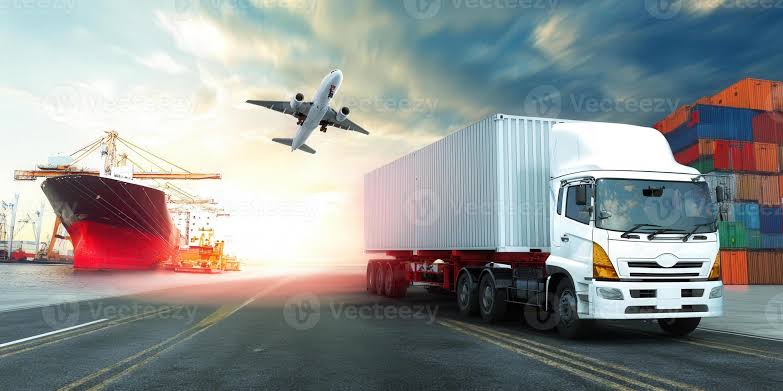
How Freight Forwarding Simplifies International Cargo Transportation
Moving goods between countries requires more than arranging a truck, ship, or aircraft. International cargo transportation involves several stages, including shipment planning, carrier selection, cargo handling, documentation, customs coordination, and final delivery. Managing all these activities independently can become challenging for businesses, particularly those handling regular international shipments.
Freight forwarding provides an organized approach to international cargo movement by coordinating different transportation services and logistics activities. It helps exporters and importers manage shipping requirements while improving communication between the various parties involved in the supply chain.
Understanding the International Freight Forwarding Process
Freight forwarding begins with understanding the shipment requirements. These include the type of goods, cargo weight, dimensions, pickup location, destination, delivery timeline, and transportation budget.
Based on these details, a freight forwarder evaluates available transportation options and coordinates suitable arrangements with carriers and logistics partners.
The process generally includes cargo collection, transportation booking, documentation preparation, export handling, international transportation, import clearance coordination, and final delivery.
Proper coordination between these stages helps businesses maintain better control over their international shipments.
Selecting the Right Shipping Method
Every international shipment has different transportation requirements. Choosing an appropriate shipping method depends on cargo volume, delivery urgency, destination, and overall logistics costs.
Ocean Freight: Ocean transportation is widely used for large commercial shipments, industrial equipment, raw materials, and containerized cargo. Businesses can choose FCL or LCL services depending on their shipment volume.
Air Freight: Air transportation provides faster cargo movement and is useful for urgent shipments, valuable products, and time-sensitive commercial goods.
Road and Rail Freight: Road and rail transportation support domestic distribution and cross-border cargo movement. They can also connect inland locations with international ports and airports.
Multimodal Transportation: Combining multiple transportation methods can provide flexible shipping arrangements for different trade routes and cargo requirements.
Managing International Shipping Documentation
Documentation is one of the most important parts of international cargo transportation. Exporters and importers must ensure that their shipment information is accurate and that applicable trade requirements are fulfilled.
Documents may include commercial invoices, packing lists, bills of lading, air waybills, certificates of origin, and other destination-specific documents.
Freight forwarding professionals help coordinate the documentation process with relevant shipping and logistics parties. Advance preparation helps reduce administrative delays and supports smoother cargo processing.
Improving Cargo Handling and Shipment Coordination
Proper cargo handling is necessary to protect goods during transportation. Packaging, labeling, loading arrangements, container selection, and handling instructions should match the nature of the products being shipped.
For fragile, oversized, temperature-sensitive, or specialized cargo, businesses may require additional transportation planning and handling arrangements.
Coordination between warehouses, transport operators, shipping lines, airlines, and destination partners helps maintain continuity throughout the shipping process.
The Role of Shipment Tracking and Visibility
Shipment visibility is increasingly important for businesses managing international supply chains. Tracking updates provide information about cargo movement, transportation milestones, estimated arrival times, and potential delays.
With better shipment visibility, businesses can coordinate inventory requirements, inform customers about delivery progress, and prepare for cargo arrival.
Digital logistics systems also help companies maintain shipment records and evaluate transportation performance over time.
Handling International Shipping Challenges
International cargo transportation can involve challenges such as port congestion, changing freight rates, vessel schedule changes, documentation errors, and customs-related delays.
Businesses can manage these challenges through advance booking, accurate paperwork, alternative route planning, and regular communication with logistics partners.
Having a structured freight management process also helps organizations respond more effectively when transportation conditions change.
Why Businesses Need a Reliable Freight Forwarding Partner
A reliable freight forwarding partner helps businesses coordinate transportation requirements across different countries and service providers. Instead of managing every shipping activity separately, companies can work with logistics professionals who understand international cargo procedures and transportation arrangements.
The right logistics partner can support carrier coordination, freight planning, ocean and air transportation, multimodal cargo movement, shipment tracking, and customs coordination.
This integrated approach helps businesses organize their shipping activities and maintain more consistent supply chain operations.
SkyLink Global: Connecting Businesses Through Global Freight Solutions
SkyLink Global supports international cargo transportation through freight forwarding and logistics services. Its capabilities include ocean freight, air freight, multimodal transportation, shipment visibility, carrier rate benchmarking, and customs coordination.
By coordinating transportation requirements and supporting different stages of cargo movement, SkyLink Global helps exporters and importers manage their international logistics operations.
Conclusion
Freight forwarding plays an important role in simplifying international cargo transportation. From selecting suitable shipping methods and coordinating documentation to monitoring shipments and managing transportation partners, freight forwarding supports the complete movement of goods across international markets.
With proper logistics planning and a dependable freight forwarding partner, businesses can improve cargo coordination, manage shipping requirements, and build more efficient global supply chains.
EXIM & Logistics Specialist at SkyLink Global Services. Specializing in statutory customs compliance, freight procurement, and international cross-border multimodal routing.