
How International Freight Forwarding Simplifies Global Shipping Operations
International freight forwarding helps businesses manage complex shipping operations across global markets. From selecting suitable transportation methods and coordinating cargo movement to handling shipping documentation and customs procedures, professional freight forwarding improves supply chain efficiency, controls transportation expenses, and supports reliable international deliveries for importers and exporters.
How International Freight Forwarding Simplifies Global Shipping Operations
International trade has created new opportunities for businesses to connect with suppliers, manufacturers, distributors, and customers across different countries. However, transporting goods internationally involves several processes, including cargo handling, transportation planning, customs documentation, port coordination, and final delivery. Managing all these activities independently can become complicated, particularly for companies handling regular import and export shipments.
International freight forwarding plays an important role in simplifying these operations. Freight forwarders coordinate different stages of cargo transportation and help businesses organize shipments according to their delivery schedules, cargo requirements, and budgets.
With proper freight planning and logistics coordination, businesses can improve shipping efficiency, minimize operational difficulties, and maintain a more reliable international supply chain.
1. Understanding International Freight Forwarding
International freight forwarding refers to the coordination and arrangement of cargo transportation from one country to another. It involves organizing shipping services, selecting suitable carriers, preparing transportation documentation, and coordinating different logistics activities.
Freight forwarders act as intermediaries between businesses and various transportation service providers. Depending on the shipment requirements, they may coordinate with shipping lines, airlines, customs professionals, trucking companies, warehouse operators, and other logistics partners.
For example, a manufacturer exporting machinery from India to Europe may require transportation from its factory to an Indian seaport, ocean freight services, destination port coordination, and inland transportation to the buyer's warehouse.
A freight forwarding partner helps coordinate these activities and provides businesses with a structured approach to international cargo movement.
2. Selecting the Right International Shipping Method
Choosing an appropriate transportation method is one of the most important decisions in international shipping. Different cargo types, delivery schedules, and transportation budgets require different shipping arrangements.
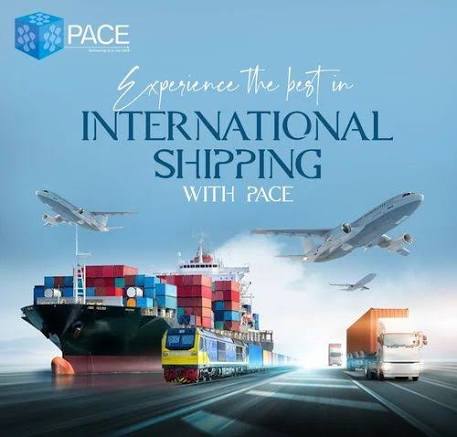
Ocean Freight: Ocean freight is commonly used for large shipments, heavy machinery, industrial equipment, raw materials, and bulk commercial cargo. It offers businesses an economical transportation option for suitable international routes.
Air Freight: Air freight is preferred when shipments require faster delivery. It is particularly useful for urgent consignments, valuable products, electronic components, and time-sensitive commercial goods.
Road Transportation: Road freight connects manufacturing facilities, warehouses, airports, and seaports. It is an important part of domestic transportation and regional distribution networks.
Rail Transportation: Rail freight can provide an efficient option for suitable inland and international cargo routes, particularly where established rail networks support commercial transportation.
Selecting the correct shipping method requires evaluating cargo weight, dimensions, destination, delivery deadlines, transportation costs, and handling requirements.
A well-planned shipping strategy allows businesses to balance transportation expenses with delivery expectations.
3. Managing Import and Export Documentation
Documentation is a critical part of international freight forwarding. Every international shipment requires accurate information about the goods, their value, quantity, origin, destination, and transportation arrangements.
Incorrect documentation can create difficulties during customs clearance and may result in additional verification, cargo delays, or unexpected expenses.
Some commonly required international shipping documents include:
Commercial Invoice containing shipment and transaction details.
Packing List describing cargo quantities, packaging, and dimensions.
Bill of Lading for applicable ocean freight shipments.
Airway Bill for air cargo transportation.
Shipping Bill for applicable export procedures in India.
Certificate of Origin where required.
Other permits, declarations, and supporting documents depending on the product and destination country.
Businesses should ensure that the information provided across shipping documents is consistent and accurate.
Proper documentation coordination helps importers and exporters manage shipping procedures more effectively and reduces avoidable administrative complications.
4. Understanding FCL and LCL Shipping Options
Container selection plays an important role in international ocean freight operations. Businesses generally evaluate two common shipping arrangements: Full Container Load and Less than Container Load.
Full Container Load (FCL): FCL is suitable when a business has sufficient cargo volume to utilize an entire shipping container. The container is generally allocated to one shipper's cargo, making it suitable for larger commercial consignments.
Less than Container Load (LCL): LCL is useful when a shipment does not require an entire container. Cargo from multiple shippers is consolidated into a shared container, allowing businesses to arrange international transportation for smaller quantities.
The choice between FCL and LCL depends on cargo volume, shipment urgency, handling requirements, destination, and total transportation expenses.
Businesses should compare the complete shipping cost rather than considering only the initial freight quotation.
5. The Importance of Customs Clearance Coordination
Customs clearance is an essential part of international cargo movement. Imported and exported goods must comply with the applicable customs regulations and documentation requirements of the countries involved.
During the clearance process, authorities may examine shipment details, declared values, product classifications, applicable duties, taxes, and supporting documents.
For Indian businesses, import and export activities may involve documentation and compliance requirements related to the Directorate General of Foreign Trade (DGFT), Indian Customs, and other relevant authorities, depending on the shipment.
Proper coordination helps businesses prepare the necessary information, respond to documentation queries, and manage clearance-related activities.
Importers and exporters should also verify applicable product-specific restrictions, licensing requirements, and customs procedures before arranging shipments.
6. Controlling International Freight and Shipping Expenses
International shipping costs can influence the profitability of import and export businesses. Freight rates, fuel-related charges, port handling, container availability, insurance, customs duties, and inland transportation all contribute to overall logistics expenses.
Businesses can improve freight cost management through careful planning and regular evaluation of transportation options.
Some effective approaches include:
Comparing quotations from multiple shipping service providers.
Selecting suitable container sizes according to cargo volume.
Consolidating smaller shipments whenever practical.
Planning shipments in advance to improve booking flexibility.
Reviewing port handling and additional transportation charges.
Avoiding unnecessary storage and container detention expenses.
Evaluating alternative shipping routes and schedules.
Understanding the complete landed cost of goods is equally important. A low ocean or air freight quotation does not necessarily mean the lowest overall shipping expense.
A detailed cost assessment helps businesses make better decisions and maintain greater control over international transportation budgets.
7. Improving Cargo Safety and Shipment Visibility
Cargo protection is an important consideration throughout the transportation process. Goods may pass through several handling points, warehouses, terminals, and transportation networks before reaching their final destination.
Businesses should select suitable packaging, follow cargo handling requirements, and evaluate appropriate insurance coverage according to the nature and value of their shipments.
Shipment tracking also plays a significant role in improving cargo visibility. Tracking information helps businesses monitor important transportation milestones, estimated arrival schedules, and changes in shipment status.
Better communication between freight forwarders, carriers, exporters, importers, and delivery partners allows companies to respond more effectively to unexpected shipping challenges.
8. How Digital Technology Is Transforming Freight Forwarding
Technology has significantly improved the way international freight forwarding operations are organized. Digital platforms are helping businesses access shipping information, manage documents, and coordinate transportation activities more efficiently.
Modern logistics systems can support online shipment tracking, freight quotation management, electronic documentation, inventory monitoring, and transportation scheduling.
Data analytics can also help companies understand shipping patterns, evaluate transportation performance, and identify opportunities for reducing operational expenses.
Digital communication between different supply chain partners improves information sharing and reduces the dependency on repetitive manual processes.
As international shipping requirements become increasingly complex, technology-driven logistics management will continue to play an important role in improving operational efficiency.
9. Common Challenges in International Freight Forwarding
International shipping involves several operational challenges that businesses should consider while planning their shipments.
Port congestion may affect vessel schedules and increase cargo waiting time. Changes in international freight rates can influence transportation budgets. Incomplete documents may create customs clearance difficulties, while adverse weather and transportation disruptions can affect delivery schedules.
Other challenges may include limited container availability, unexpected handling charges, changing trade regulations, and coordination gaps between different logistics providers.
Businesses can manage these challenges through advance planning, proper documentation, alternative transportation arrangements, shipment monitoring, and communication with experienced logistics partners.
Having a structured contingency plan can also help reduce the impact of unexpected supply chain disruptions.
10. Choosing a Reliable International Freight Forwarding Partner
Selecting the right freight forwarding partner is essential for businesses involved in international trade. Companies should evaluate transportation network coverage, service capabilities, industry experience, communication, documentation coordination, and shipment visibility.
A suitable logistics partner should understand the requirements of different cargo categories and recommend appropriate transportation arrangements according to business objectives.
SkyLink Global supports international businesses with logistics and transportation solutions, including ocean freight, air freight, multimodal transportation, freight coordination, and global shipping support.
By focusing on organized shipment planning and logistics coordination, businesses can manage international cargo movement more efficiently and improve their overall supply chain operations.
Conclusion
International freight forwarding is an important part of modern global trade. It connects businesses with international transportation networks and helps coordinate the different activities involved in moving goods across borders.
From selecting the right shipping method and managing FCL and LCL shipments to organizing documentation, customs coordination, and cargo tracking, effective freight forwarding contributes to smoother shipping operations.
Businesses that adopt a well-planned logistics strategy and work with reliable freight forwarding partners can improve transportation efficiency, manage shipping expenses, and develop stronger international supply chains.
As global trade continues to expand, efficient freight forwarding will remain an important factor in helping importers and exporters reach new markets and achieve sustainable business growth.
EXIM & Logistics Specialist at SkyLink Global Services. Specializing in statutory customs compliance, freight procurement, and international cross-border multimodal routing.