
How International Shipping Strategies Help Businesses Expand in Global Markets
International shipping plays a vital role in helping businesses expand into global markets. From choosing the right freight solutions to managing customs clearance and documentation, effective shipping strategies improve supply chain efficiency, reduce transportation delays, and support smooth cross-border trade operations for businesses involved in international import and export activities.
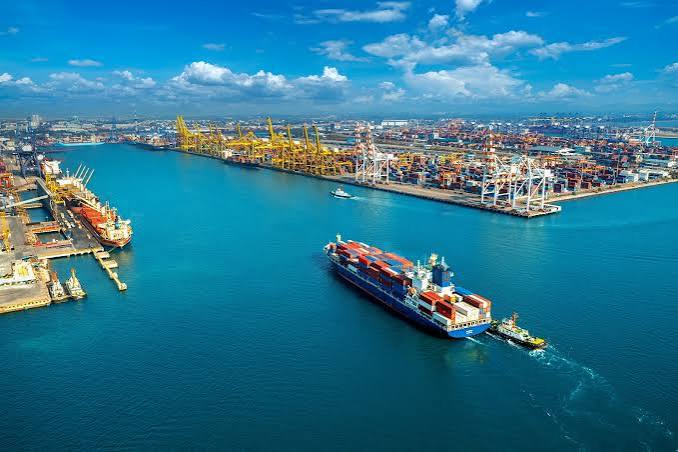
How International Shipping Strategies Help Businesses Expand in Global Markets
Introduction
International shipping has become an essential part of modern business operations. As companies increasingly explore opportunities beyond domestic markets, the ability to transport products safely, efficiently, and on time has become a major factor in business growth. Whether a company exports manufactured goods, imports raw materials, or distributes products internationally, an effective shipping strategy helps maintain smooth supply chain operations.
With growing competition in global markets, businesses need more than just transportation services. They require reliable logistics planning, proper documentation, customs compliance, and coordinated freight management to ensure successful international trade operations.
Understanding the Importance of International Shipping
International shipping connects manufacturers, suppliers, distributors, and customers across different countries. It allows businesses to access new markets, expand their customer base, and build stronger international partnerships.
However, cross-border transportation involves several challenges, including different customs regulations, shipping requirements, transportation costs, and delivery timelines. Without proper planning, these factors can create delays and increase operational expenses.
A well-organized shipping strategy helps businesses manage these challenges while maintaining consistent product movement across international borders.
Choosing the Right Freight Transportation Method
Selecting an appropriate transportation method is one of the most important decisions in international logistics. Businesses should consider shipment size, delivery urgency, product type, destination, and transportation budget before choosing a freight solution.
1. Sea Freight
Sea freight is suitable for transporting large quantities of goods over international routes. It is commonly preferred for bulk shipments, industrial equipment, raw materials, and containerized cargo because it offers cost-effective transportation for larger volumes.
2. Air Freight
Air freight is ideal for businesses that require faster delivery and reliable transportation of high-value or time-sensitive shipments. Although it generally involves higher transportation costs, it helps reduce transit time and supports urgent supply chain requirements.
3. Road and Rail Transportation
Road and rail freight play an important role in connecting ports, warehouses, manufacturing facilities, and distribution centres. These transportation methods help businesses manage inland cargo movement and improve overall logistics coordination.
Choosing the right combination of transportation methods can help companies achieve better delivery performance and cost efficiency.
Importance of Customs Clearance and Shipping Documentation
Customs clearance is a critical stage of every international shipment. Goods moving between countries must comply with applicable customs regulations, duties, taxes, and documentation requirements.
Important shipping documents may include commercial invoices, packing lists, bills of lading, certificates of origin, shipping instructions, and other documents depending on the shipment and destination country.
Incorrect documentation or missing information can result in customs delays, additional charges, shipment inspections, or penalties.
Businesses should maintain accurate records and work with experienced logistics professionals to ensure that their shipments meet the applicable import and export requirements.
Managing International Shipping Costs
Transportation expenses directly influence the profitability of international trade. Businesses must evaluate different cost components instead of focusing only on the basic freight rate.
These costs may include freight charges, customs duties, insurance, port handling, warehousing, documentation, and inland transportation.
Companies can improve cost management by consolidating shipments, planning transportation routes, comparing freight options, and coordinating deliveries in advance.
Better shipment visibility and regular communication with logistics partners also help businesses identify potential delays and avoid unnecessary expenses.
Technology and Digital Transformation in Global Logistics
Technology is changing how international shipping operations are managed. Digital logistics platforms, shipment tracking systems, automated documentation, and supply chain management tools provide businesses with better control over cargo movement.
Real-time shipment updates help companies monitor transportation progress and respond quickly to unexpected situations.
Digital documentation also reduces manual errors and improves coordination between exporters, importers, freight forwarders, customs agents, and transportation providers.
As international trade becomes more complex, technology-driven logistics solutions are becoming increasingly important for operational efficiency.
Building a Reliable International Logistics Network
A successful global shipping operation depends on strong coordination between different supply chain partners. Businesses need reliable freight forwarders, shipping agents, customs professionals, warehouse operators, and transportation providers.
Working with experienced logistics partners helps companies understand international shipping procedures, select suitable transportation solutions, and manage documentation requirements.
A dependable logistics network also improves communication, shipment planning, and delivery consistency across different international markets.
Conclusion
International shipping is more than moving goods from one country to another. It requires careful planning, cost management, regulatory awareness, and efficient coordination throughout the supply chain.
Businesses that adopt effective shipping strategies can improve operational performance, manage transportation expenses, reduce shipment delays, and explore new international business opportunities.
With professional logistics support and the right combination of freight transportation, customs management, and digital solutions, companies can build stronger global supply chains and achieve sustainable growth in international markets.
Skylink Global supports businesses with logistics coordination and international trade solutions designed to simplify complex shipping operations and improve global connectivity.
EXIM & Logistics Specialist at SkyLink Global Services. Specializing in statutory customs compliance, freight procurement, and international cross-border multimodal routing.