
How Multimodal Freight Shipping Improves Global Supply Chain Efficiency
Discover how multimodal freight shipping combines sea, air, road, and rail transportation to improve delivery efficiency, manage logistics costs, and strengthen international supply chains.
How Multimodal Freight Shipping Improves Global Supply Chain Efficiency
International trade depends on reliable transportation networks that connect manufacturers, suppliers, distributors, and customers across different countries. As businesses expand into global markets, managing cargo movement efficiently becomes increasingly important.
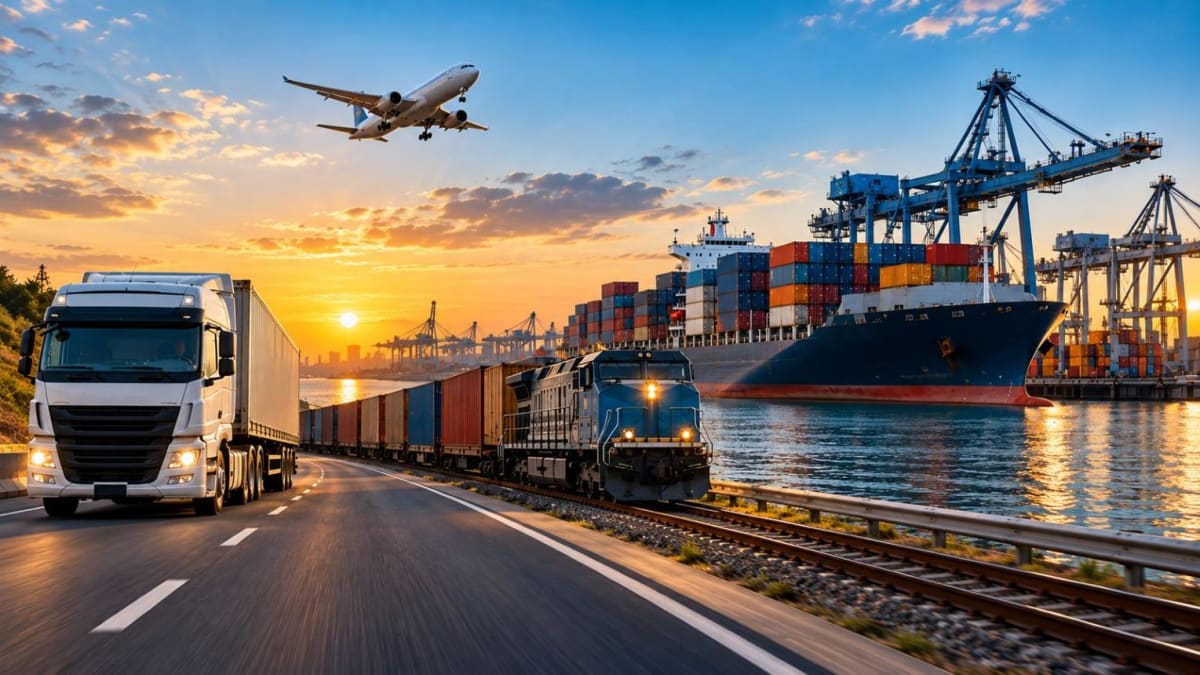
Multimodal freight shipping offers an integrated approach by combining two or more transportation methods, such as sea, air, road, and rail, to move goods from their origin to their final destination. This approach helps businesses develop flexible shipping strategies based on cargo requirements, delivery timelines, and budget considerations.
1. What Is Multimodal Freight Shipping?
Multimodal freight shipping involves transporting goods through multiple modes of transportation under a coordinated logistics arrangement.
For example, an Indian exporter shipping products to Europe may use road transportation to move cargo from a factory to a port, ocean freight for international transportation, and road or rail services for final delivery.
The objective is to connect different transportation networks while maintaining proper coordination, documentation, cargo handling, and shipment visibility throughout the journey.
2. Major Transportation Modes Used in Multimodal Logistics
Ocean Freight
Ocean freight is widely used for international shipments involving large cargo volumes. It is suitable for machinery, industrial equipment, raw materials, consumer goods, and other non-urgent consignments.
Exporters can choose between Full Container Load (FCL) and Less than Container Load (LCL) services depending on their shipment volume and requirements.
Air Freight
Air freight is useful when shipment speed is a priority. It is commonly selected for high-value products, urgent commercial consignments, electronics, spare parts, and time-sensitive cargo.
Although air transportation may involve higher costs than ocean freight, it can help businesses meet demanding delivery schedules.
Road Freight
Road transportation connects factories, warehouses, inland container depots, ports, and airports. It plays an important role in first-mile and last-mile cargo movement.
Proper vehicle planning, route selection, and delivery scheduling help reduce unnecessary delays.
Rail Freight
Rail freight supports the movement of heavy or large-volume cargo across suitable inland and international rail corridors. It offers an additional transportation option where rail infrastructure and service availability meet shipment requirements.
3. Key Benefits of Multimodal Freight Transportation
Better Freight Cost Management
Combining transportation methods allows businesses to compare different routes and service options. For example, a company may use road transport for inland movement and ocean freight for the international journey to manage overall transportation expenses.
Improved Delivery Planning
Different transportation modes offer different transit times. By selecting suitable connections and scheduling cargo movement properly, businesses can create delivery plans that balance speed and cost.
Greater Supply Chain Flexibility
International shipping routes can be affected by port congestion, weather conditions, capacity shortages, and operational disruptions. A multimodal strategy allows logistics teams to evaluate alternative routes and transportation combinations when necessary.
Better Cargo Coordination
Coordinating multiple transportation providers through a structured logistics plan helps improve communication, documentation management, and shipment handovers.
Improved Global Market Connectivity
Multimodal transportation connects manufacturing locations with ports, airports, inland hubs, and overseas distribution networks. This helps exporters and importers serve customers across different international markets.
4. Important Factors to Consider Before Planning a Multimodal Shipment
A successful multimodal shipment requires more than selecting available transport services. Businesses should evaluate several operational factors before cargo dispatch.
Cargo Type and Handling Requirements: Fragile, hazardous, temperature-sensitive, and oversized cargo may require specialized packaging, equipment, handling procedures, and regulatory approvals.
Shipment Volume: FCL and LCL options should be evaluated according to cargo volume, shipping frequency, and total transportation costs.
Delivery Timeline: Businesses should compare estimated transit times, transfer schedules, port dwell time, and possible delays at intermediate locations.
Route and Carrier Selection: Carrier availability, service frequency, transit connections, and destination coverage should be considered before confirming a route.
Documentation and Customs Compliance: Commercial invoices, packing lists, shipping bills, bills of lading, and other applicable documents must be prepared accurately to support smooth cross-border movement.
Cargo Insurance and Risk Management: Businesses should review cargo insurance requirements and identify potential risks during loading, unloading, storage, transshipment, and transportation.
5. The Importance of Shipment Tracking and Visibility
When cargo moves through multiple transportation networks, shipment visibility becomes essential. Without proper tracking and coordination, businesses may find it difficult to identify delays, monitor transfer points, or communicate accurate delivery updates.
Modern logistics operations use digital tracking systems, carrier updates, milestone reporting, GPS information, and other monitoring technologies to improve shipment visibility.
A structured tracking process helps businesses:
Monitor cargo movement from origin to destination.
Identify delays at ports and transfer locations.
Coordinate with carriers and logistics partners.
Plan warehouse receiving and inventory operations.
Provide reliable shipment updates to customers.
Better visibility supports informed decisions and helps businesses manage international shipments more effectively.
6. Common Challenges in Multimodal Freight Operations
Although multimodal transportation offers flexibility, coordinating multiple transport methods can create operational challenges.
Port Congestion: Delays at busy ports can affect vessel connections and overall delivery schedules.
Documentation Errors: Incomplete or incorrect shipping documents may result in customs queries, clearance delays, or additional costs.
Cargo Handling Risks: Multiple handling stages can increase the possibility of damage if packaging, loading, and transfer procedures are not managed properly.
Coordination Between Carriers: Different transport providers may follow separate schedules and communication processes, making coordination important.
Unexpected Transportation Costs: Storage, detention, demurrage, handling, and route changes can increase the final logistics cost if not planned carefully.
Businesses can reduce these risks through advance shipment planning, accurate documentation, carrier coordination, cargo protection, and proactive monitoring.
7. How SkyLink Global Supports Multimodal Freight & Shipping
SkyLink Global supports exporters and importers with international freight forwarding and coordinated logistics solutions designed around business and cargo requirements.
Its logistics and shipping services cover ocean freight, air freight, road and rail transportation coordination, FCL and LCL cargo planning, and shipment tracking and visibility.
By coordinating transportation requirements, carrier arrangements, customs documentation, and shipment milestones, SkyLink Global helps businesses manage cross-border cargo movement through a more structured logistics approach.
Its services also include freight cost optimization, customs coordination, cargo protection guidance, and support for international trade operations.
Conclusion
Multimodal freight shipping has become an important part of modern international trade. By combining sea, air, road, and rail transportation, businesses can develop flexible shipping strategies that balance cost, transit time, cargo requirements, and delivery commitments.
Successful multimodal logistics depends on careful route planning, accurate documentation, reliable carrier coordination, cargo protection, and continuous shipment visibility.
For exporters and importers looking to improve their international supply chain operations, working with an experienced logistics partner can make transportation planning more organized and efficient.
SkyLink Global helps businesses navigate international freight forwarding and multimodal shipping requirements with coordinated logistics and trade support.
EXIM & Logistics Specialist at SkyLink Global Services. Specializing in statutory customs compliance, freight procurement, and international cross-border multimodal routing.