
How Port Congestion Impacts Global Supply Chains and Ways to Prevent Delays
Port congestion can create significant challenges for international trade by increasing shipping delays, transportation costs, and supply chain disruptions. Understanding the major causes of port congestion and adopting effective logistics planning strategies can help importers and exporters improve cargo movement, manage delivery schedules, reduce operational risks, and maintain efficient global shipping operations.
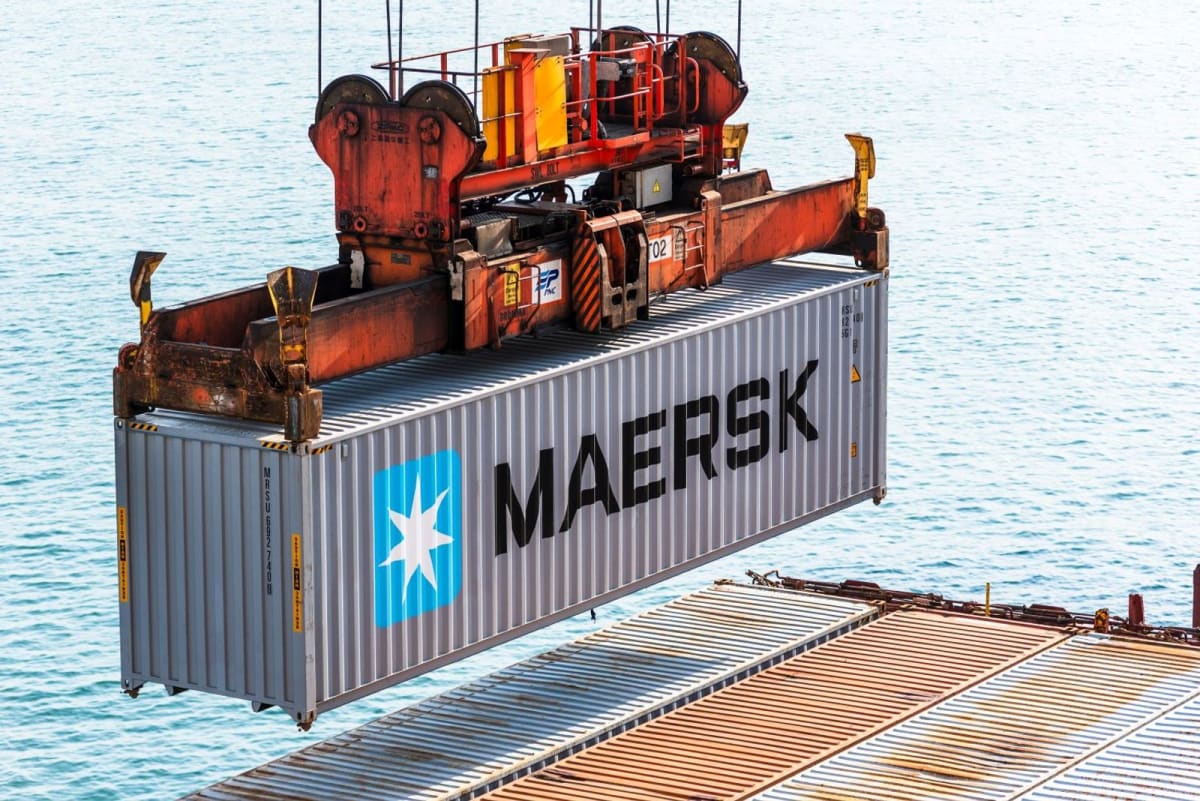
How Port Congestion Impacts Global Supply Chains and Ways to Prevent Delays
Introduction
International trade depends on the smooth movement of goods between countries, and seaports play a major role in connecting global markets. Every day, thousands of containers carrying raw materials, industrial equipment, consumer products, and essential commodities move through international ports.
However, increasing cargo volumes, limited port capacity, labour shortages, infrastructure challenges, and unexpected disruptions can create port congestion. These situations affect shipping schedules and make it difficult for businesses to maintain predictable supply chain operations.
For importers and exporters, understanding port congestion and preparing for possible delays is essential for maintaining efficient international trade operations.
What Is Port Congestion?
Port congestion occurs when the volume of incoming and outgoing cargo exceeds the available capacity of a port. This can result in ships waiting outside terminals, containers remaining at ports for extended periods, and delays in loading or unloading operations.
Congestion can affect multiple stages of transportation, including vessel scheduling, container handling, customs procedures, and inland cargo movement.
When port operations slow down, the impact often extends beyond the port itself, affecting manufacturers, suppliers, distributors, and customers across different countries.
Major Causes of Port Congestion
Several factors contribute to congestion at international shipping ports.
1. Increasing Global Cargo Volumes
Growing international trade increases the demand for container transportation and port handling facilities. When cargo volumes rise faster than port capacity, terminals may struggle to process shipments efficiently.
2. Limited Port Infrastructure
Insufficient container storage space, outdated equipment, limited berthing facilities, and inadequate transportation connections can slow down port operations.
3. Labour Shortages
Port operations require skilled workers, equipment operators, customs personnel, and transportation teams. Labour shortages or industrial strikes can reduce operational capacity and create significant backlogs.
4. Weather and Natural Disruptions
Severe weather conditions, storms, heavy rainfall, and other natural events may temporarily interrupt vessel movements and cargo handling activities.
5. Documentation and Customs Delays
Incomplete shipping documents, incorrect cargo information, and regulatory compliance issues can prevent shipments from moving through customs clearance smoothly.
How Port Congestion Affects International Businesses
Port congestion can create financial and operational challenges for companies involved in global trade.
Delayed cargo arrivals may interrupt manufacturing schedules when businesses depend on imported raw materials. Retailers and distributors may experience inventory shortages, while exporters can face difficulties meeting delivery commitments.
Additional expenses may also arise through demurrage, detention, storage, and revised transportation arrangements.
For businesses working with international customers, repeated shipping delays can affect customer satisfaction and long-term commercial relationships.
Effective Ways to Prevent Shipping Delays
Although businesses cannot completely control port congestion, they can take several steps to reduce its impact.
1. Plan Shipments in Advance
Early shipment planning allows businesses to evaluate port conditions, select suitable departure schedules, and prepare alternative transportation arrangements.
2. Choose Reliable Freight Forwarding Partners
Experienced freight forwarding professionals can help businesses coordinate cargo movement, manage shipping documentation, communicate with carriers, and identify suitable routing options.
3. Maintain Accurate Documentation
Preparing commercial invoices, packing lists, bills of lading, certificates of origin, and other required documents correctly can reduce avoidable customs-related delays.
4. Consider Alternative Ports and Routes
When a major port experiences congestion, alternative ports or transportation routes may provide more efficient cargo movement. Businesses should evaluate these options based on cost, transit time, and destination requirements.
5. Monitor Shipments Regularly
Shipment tracking and regular communication with logistics partners help businesses identify possible disruptions early and adjust their delivery plans accordingly.
The Role of Technology in Modern Port Operations
Digital technology is improving visibility and coordination throughout international logistics networks.
Modern shipment tracking platforms allow businesses to monitor cargo movements and receive updates about vessel schedules, estimated arrival times, and transportation progress.
Digital documentation systems can also reduce manual errors and improve information sharing between shipping companies, customs professionals, freight forwarders, and importers.
By using reliable logistics technology, businesses can make informed decisions and respond more effectively to unexpected supply chain disruptions.
Building a More Resilient Global Supply Chain
A resilient supply chain requires preparation, flexibility, and coordination between different logistics partners.
Businesses should avoid depending entirely on a single shipping route or transportation provider wherever practical. Maintaining appropriate inventory levels, evaluating alternative suppliers, and developing contingency plans can help reduce the consequences of unexpected delays.
Regular communication between exporters, importers, shipping companies, and freight forwarding partners also plays an important role in maintaining operational continuity.
Companies that invest in better logistics planning are generally better prepared to handle changes in international transportation conditions.
Conclusion
Port congestion is an important challenge in international logistics, affecting transportation schedules, business costs, and global supply chain efficiency.
While port-related disruptions cannot always be avoided, businesses can reduce their impact through advance planning, accurate documentation, reliable freight forwarding partnerships, alternative routing, and digital shipment monitoring.
With the right logistics strategy, importers and exporters can improve cargo visibility, manage transportation risks, and maintain smoother international trade operations.
Skylink Global supports businesses with logistics coordination and international trade solutions that help simplify complex supply chain requirements and improve global connectivity.
EXIM & Logistics Specialist at SkyLink Global Services. Specializing in statutory customs compliance, freight procurement, and international cross-border multimodal routing.