
How Temperature Escalation Can Hinder Operations in Cold Chain
Temperature escalation can disrupt cold chain operations by compromising product quality, increasing transportation costs, and causing shipment delays. Discover the major challenges caused by temperature fluctuations and how businesses can maintain temperature stability throughout storage and transportation.
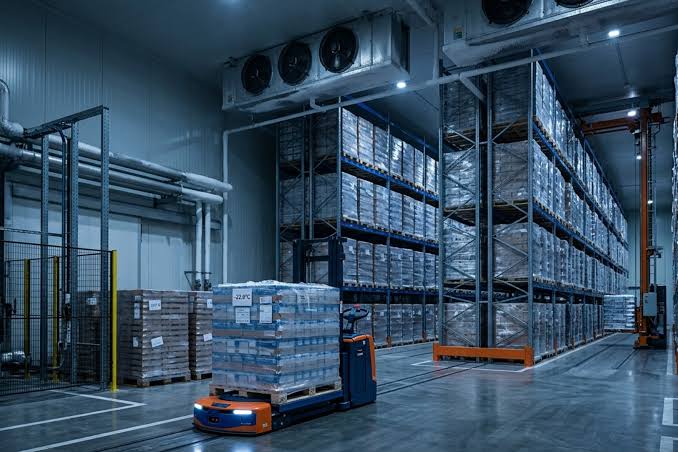
How Temperature Escalation Can Hinder Operations in Cold Chain
Introduction
Cold chain logistics plays a critical role in transporting and storing temperature-sensitive products, including pharmaceuticals, vaccines, fresh food, dairy products, and other perishable goods. These products must remain within specific temperature ranges throughout the supply chain to maintain their quality, safety, and effectiveness.
Temperature escalation occurs when the temperature rises above the recommended range during storage, handling, or transportation. Even a temporary temperature deviation can create operational challenges, particularly when shipments require strict temperature control.
Understanding how temperature escalation affects cold chain operations can help businesses improve logistics planning, minimize product losses, and maintain supply chain reliability.
1. Product Quality and Safety Risks
One of the biggest challenges associated with temperature escalation is the potential deterioration of temperature-sensitive products.
Pharmaceutical products, vaccines, biologics, and certain food items require specific storage conditions. Exposure to temperatures outside their approved limits may affect product stability, shelf life, or effectiveness.
For example, some pharmaceutical products may lose their intended potency if exposed to excessive heat. Similarly, fresh produce and dairy products can deteriorate more quickly when temperature control is compromised.
Businesses must follow product-specific storage requirements and maintain appropriate temperature monitoring throughout transportation.
2. Transportation Delays and Operational Disruptions
Temperature escalation can interrupt transportation schedules and create additional operational pressure.
When a temperature deviation is detected, logistics teams may need to inspect the shipment, assess the duration of exposure, verify product conditions, and determine whether the cargo can continue its journey.
These additional checks can delay deliveries and affect warehouse schedules, distribution planning, and customer commitments.
To reduce disruptions, businesses should establish clear procedures for temperature excursions and coordinate effectively with transporters, warehouse teams, and delivery partners.
3. Increased Logistics and Financial Costs
Temperature-related incidents can increase the overall cost of cold chain operations.
Businesses may face additional expenses related to damaged inventory, replacement shipments, emergency refrigeration, shipment inspections, and delayed deliveries.
Refrigerated vehicles and cold storage facilities also require reliable equipment, regular maintenance, and appropriate energy management.
Investing in preventive maintenance, temperature monitoring systems, and well-planned transportation routes can help reduce avoidable expenses and improve operational efficiency.
4. Equipment Failures and Cold Storage Challenges
Cold chain operations depend on refrigeration systems, insulated packaging, temperature-controlled warehouses, and refrigerated vehicles.
Equipment failures, power interruptions, poor insulation, frequent door openings, and improper loading practices can cause unwanted temperature fluctuations.
A well-maintained cold chain system should include regular equipment inspections, backup power arrangements where appropriate, and documented emergency procedures.
Businesses should also ensure that employees understand correct loading, unloading, and storage practices to minimize exposure to unsuitable temperatures.
5. The Importance of Real-Time Temperature Monitoring
Real-time monitoring helps logistics teams identify temperature deviations before they become larger operational problems.
Temperature sensors, data loggers, and connected monitoring systems can provide useful information about shipment conditions during transit and storage.
Alerts can notify responsible teams when readings move outside predefined limits, allowing them to investigate the cause and take corrective action.
Maintaining accurate temperature records can also support quality assurance, shipment investigations, and regulatory documentation where required.
However, monitoring systems should be supported by clear response procedures. Detecting a temperature deviation alone does not establish whether a product remains suitable for use; that decision must follow the relevant product requirements and quality procedures.
6. Best Practices to Prevent Temperature Escalation
Businesses can strengthen cold chain operations by adopting the following practices:
Monitor temperatures continuously: Use suitable monitoring devices and define appropriate alert thresholds for each product.
Maintain refrigeration equipment: Schedule preventive maintenance and inspect refrigerated vehicles and storage facilities regularly.
Plan transportation routes: Reduce avoidable delays and consider traffic, weather, transit times, and suitable backup arrangements.
Train logistics personnel: Ensure employees understand product-specific temperature requirements and proper handling procedures.
Use appropriate packaging: Select validated insulated packaging and temperature-control solutions according to shipment requirements.
Prepare emergency response plans: Define clear steps for equipment failure, power outages, and temperature excursions.
Maintain shipment documentation: Record temperature readings, incidents, corrective actions, and relevant quality decisions.
These practices help businesses improve visibility, reduce avoidable disruptions, and protect temperature-sensitive cargo.
7. How Skylink Global Supports Efficient Cold Chain Logistics
Effective cold chain management requires coordination between transportation planning, shipment handling, storage, and monitoring processes.
Businesses can benefit from working with logistics partners that understand the importance of temperature-sensitive cargo, reliable shipment coordination, and timely communication.
Skylink Global focuses on logistics solutions that help businesses manage transportation requirements and coordinate supply chain activities efficiently. A well-planned logistics strategy can help companies improve shipment visibility, manage operational risks, and maintain dependable delivery schedules.
The appropriate cold chain solution depends on the type of cargo, required temperature range, route, transit duration, and applicable handling requirements.
Conclusion
Temperature escalation can create significant challenges for cold chain operations, from product quality risks and delivery delays to higher costs and equipment-related disruptions.
Businesses can reduce these risks through appropriate temperature monitoring, preventive maintenance, transportation planning, employee training, and well-defined response procedures.
A proactive approach to cold chain management helps protect sensitive products, improve supply chain reliability, and support efficient logistics operations.
For businesses handling pharmaceutical products, food, or other temperature-sensitive cargo, maintaining the required temperature conditions throughout the supply chain should remain a key operational priority.
EXIM & Logistics Specialist at SkyLink Global Services. Specializing in statutory customs compliance, freight procurement, and international cross-border multimodal routing.