
Key Challenges in Global Logistics and How Businesses Can Overcome Them
Global logistics involves complex transportation networks, international regulations, changing freight rates, and multiple supply chain partners. Businesses must manage these challenges to maintain reliable cargo movement and timely deliveries. Discover how effective logistics planning, shipment visibility, carrier coordination, and professional freight forwarding solutions help companies overcome international shipping difficulties and improve global supply chain performance.
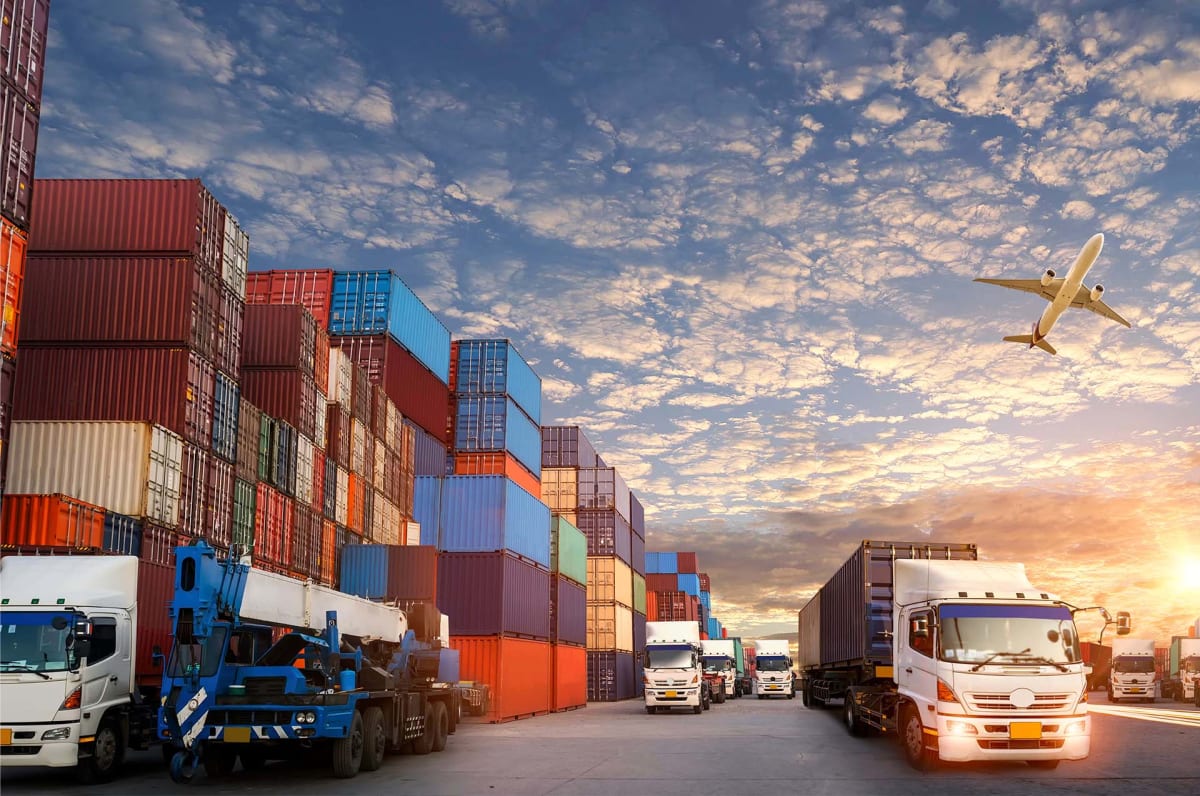
Key Challenges in Global Logistics and How Businesses Can Overcome Them
Global logistics connects businesses, manufacturers, suppliers, and customers across international markets. As companies expand their operations beyond domestic boundaries, managing cargo transportation becomes increasingly complex. International shipments involve multiple transportation providers, customs procedures, trade regulations, shipping schedules, and destination requirements.
Even a small disruption in one part of the supply chain can affect delivery timelines and increase operational expenses. Understanding common logistics challenges and adopting suitable management strategies can help businesses maintain efficient international transportation operations.
1. Rising International Freight Costs
Fluctuating fuel prices, changing carrier rates, port charges, and transportation demand can influence international shipping expenses. Businesses that do not regularly review their freight costs may find it difficult to maintain predictable logistics budgets.
To manage these expenses, companies should compare freight quotations, evaluate alternative shipping routes, and select transportation methods according to cargo requirements. Long-term relationships with reliable logistics partners can also support better freight planning and cost management.
2. Delays in International Cargo Transportation
Shipping delays can occur due to port congestion, adverse weather, vessel schedule changes, customs inspections, and transportation disruptions. These delays may affect inventory availability and customer delivery commitments.
Businesses can reduce avoidable disruptions through advance shipment planning, realistic delivery schedules, and regular communication with transportation providers. Maintaining alternative routing arrangements can also help when the preferred shipping route becomes unavailable.
3. Complex Customs and Documentation Requirements
International trade requires businesses to follow applicable customs regulations and prepare accurate shipping documentation. Incorrect invoices, incomplete packing lists, missing certificates, or other documentation issues can delay cargo clearance.
Companies should understand the documentation requirements of their origin and destination markets before dispatching shipments. Coordinating with experienced freight forwarding and customs professionals helps organize paperwork and reduce administrative complications.
4. Limited Shipment Visibility
Businesses need accurate information about cargo movement to coordinate inventory, warehouse operations, and customer deliveries. Without proper tracking, identifying shipment delays and responding to unexpected transportation issues can become difficult.
Digital shipment tracking and regular milestone updates provide better visibility into international cargo movement. Companies can use these updates to monitor progress, communicate with customers, and plan receiving arrangements.
5. Choosing Suitable Transportation Methods
Different cargo types require different transportation arrangements. Air freight offers faster delivery for urgent shipments, while ocean freight is often suitable for larger volumes and flexible delivery schedules. Road and rail transportation can support inland and regional cargo movement.
Businesses should evaluate delivery urgency, cargo dimensions, budget, destination, and handling requirements before selecting a shipping method. Multimodal transportation can also provide flexible solutions by combining different transport modes.
6. Coordination Between Multiple Logistics Partners
International shipping often involves manufacturers, exporters, importers, shipping lines, airlines, transport operators, warehouses, and customs representatives. Poor communication between these parties can result in missed schedules and unnecessary handling problems.
A coordinated freight management process helps ensure that shipment information, documentation, and delivery arrangements are communicated clearly. Working with a dependable freight forwarding partner can simplify coordination across different stages of transportation.
7. Managing Supply Chain Disruptions
Global supply chains can be affected by geopolitical developments, changing trade policies, natural disasters, and sudden transportation restrictions. Businesses that depend on a single route or service provider may face greater operational difficulties during disruptions.
Companies should regularly evaluate supply chain risks, identify alternative carriers, and consider different transportation routes. Advance planning and reliable logistics partnerships can improve the ability to respond to unexpected changes.
How SkyLink Global Supports Global Logistics Operations
SkyLink Global provides international freight forwarding and logistics solutions for businesses involved in global trade. Its capabilities include ocean freight, air freight, multimodal transportation, carrier rate benchmarking, shipment visibility, and customs coordination.
Through organized transportation planning and logistics coordination, SkyLink Global supports businesses in managing cargo movement across international markets and improving their supply chain operations.
Conclusion
Global logistics challenges can influence transportation costs, delivery schedules, and overall business performance. However, effective freight planning, accurate documentation, shipment tracking, suitable carrier selection, and better coordination can help businesses manage these difficulties.
Companies that adopt a structured approach to international logistics and work with dependable freight forwarding partners can improve transportation reliability and build more resilient global supply chains.
EXIM & Logistics Specialist at SkyLink Global Services. Specializing in statutory customs compliance, freight procurement, and international cross-border multimodal routing.