Pharmaceutical Cold Chain Logistics: Protecting Medicines During Global Transportation
Discover how pharmaceutical cold chain logistics helps protect medicines, vaccines, and temperature-sensitive healthcare products during international transportation. Learn about temperature monitoring, specialized packaging, regulatory compliance, and shipment planning to maintain product integrity throughout the global pharmaceutical supply chain.
Pharmaceutical Cold Chain Logistics: Protecting Medicines During Global Transportation
Introduction
The pharmaceutical industry depends on reliable transportation systems to deliver medicines, vaccines, biological products, and other healthcare supplies safely. Many pharmaceutical products are sensitive to temperature fluctuations, humidity, and unsuitable storage conditions. Even a short exposure to inappropriate conditions can affect their quality and effectiveness.
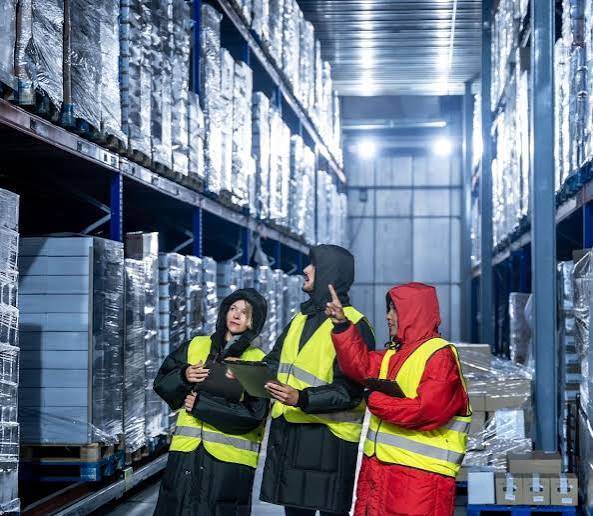
Pharmaceutical cold chain logistics plays a crucial role in protecting these products from the manufacturing facility to the final destination. It combines temperature-controlled storage, specialized packaging, shipment monitoring, and carefully coordinated transportation to maintain the required conditions throughout the supply chain.
As pharmaceutical companies expand into international markets, effective cold chain management becomes increasingly important for protecting product integrity and maintaining dependable delivery schedules.
What Is Pharmaceutical Cold Chain Logistics?
Pharmaceutical cold chain logistics refers to the transportation, storage, and handling of medicines and healthcare products under specified environmental conditions.
Different products have different storage requirements. Some medicines require refrigerated conditions, while others may need frozen storage or controlled room temperatures. Therefore, logistics arrangements must be based on the manufacturer's product specifications rather than a single temperature standard.
An effective pharmaceutical cold chain typically includes:
Temperature-controlled warehousing.
Qualified packaging and shipping containers.
Refrigerated road transportation.
Temperature-controlled air freight arrangements.
Continuous or appropriately scheduled temperature monitoring.
Shipment documentation and condition records.
Coordinated customs clearance and final delivery.
Every stage must be planned carefully to reduce the risk of product damage or temperature excursions.
Why Temperature Control Is Essential for Medicines
Pharmaceutical products are developed and tested under specific storage conditions. Exposure to temperatures outside the permitted range may affect stability, potency, or product quality.
Maintaining appropriate conditions helps pharmaceutical businesses protect valuable shipments and meet applicable quality requirements.
1. Protecting Product Quality
Temperature-sensitive medicines may deteriorate if exposed to excessive heat, freezing, or repeated temperature fluctuations. Suitable packaging and transportation equipment help maintain the environmental conditions specified for each product.
2. Supporting Vaccine Transportation
Many vaccines require carefully controlled storage and transportation conditions. Logistics teams must follow product-specific temperature requirements and use suitable monitoring procedures throughout the journey.
3. Maintaining Supply Chain Reliability
Hospitals, pharmacies, distributors, and healthcare providers depend on timely deliveries. Proper shipment planning helps reduce avoidable delays and supports the availability of essential medical products.
4. Reducing Financial Losses
Pharmaceutical products can represent a significant investment. Effective cold chain procedures help reduce the risk of damaged shipments, rejected deliveries, and unnecessary replacement costs.
Key Challenges in Pharmaceutical Cold Chain Transportation
International pharmaceutical shipments often pass through multiple transportation networks, warehouses, airports, seaports, and customs checkpoints. Each transfer introduces potential operational challenges.
Temperature Excursions
A temperature excursion occurs when a product is exposed to conditions outside its specified limits. Equipment failure, incorrect packaging, handling delays, or unsuitable storage can contribute to these incidents.
Businesses should establish clear monitoring and escalation procedures to identify and investigate potential excursions.
Customs Clearance Delays
Incomplete documentation, regulatory inspections, or missing permits can delay international shipments. For sensitive pharmaceutical products, extended delays may create additional storage and monitoring requirements.
Advance documentation checks and coordination with customs specialists can help reduce avoidable disruptions.
Limited Cold Storage Availability
Some routes and destinations may have limited access to suitable temperature-controlled facilities. Logistics teams must assess available infrastructure before confirming shipment arrangements.
Multiple Handling Points
Every transfer between vehicles, warehouses, airports, or distribution centres requires appropriate handling. Poor coordination can increase the risk of delays and environmental exposure.
Technology in Pharmaceutical Cold Chain Management
Modern technology helps businesses improve shipment visibility, monitor environmental conditions, and maintain better operational records.
Real-Time Temperature Monitoring
Connected sensors and data loggers can record temperature conditions during transportation. Depending on the equipment and connectivity available, logistics teams may receive alerts when readings move outside predefined limits.
These records help support shipment investigations and quality assessments.
GPS Shipment Tracking
GPS-enabled tracking helps logistics teams monitor shipment locations and identify unexpected route changes or delays.
Combining location information with temperature records provides a more complete view of shipment conditions.
Data Logging and Reporting
Electronic data loggers maintain temperature records that can be reviewed after delivery. These records support traceability and help businesses investigate potential deviations.
Digital Documentation
Digital shipping records and document-management systems help coordinate shipment information between pharmaceutical companies, carriers, freight forwarders, and customs representatives.
Accurate documentation can improve communication and support more efficient shipment processing.
Best Practices for Safe Pharmaceutical Transportation
Businesses can strengthen pharmaceutical cold chain operations through careful preparation and consistent procedures.
Understand product requirements: Confirm the manufacturer's storage conditions, permitted temperature ranges, and handling instructions before shipping.
Select appropriate packaging: Choose packaging and temperature-control solutions according to the product, route, transit duration, and expected environmental conditions.
Validate transportation arrangements: Ensure that the selected equipment and handling processes are suitable for the specific shipment.
Monitor shipment conditions: Use appropriate temperature-monitoring devices and establish procedures for responding to alerts or unexpected readings.
Prepare accurate documentation: Verify invoices, packing lists, product details, permits, and other applicable shipping documents before dispatch.
Plan routes carefully: Consider transit duration, transfer points, customs requirements, and the availability of temperature-controlled facilities.
Establish contingency plans: Prepare response procedures for transportation delays, equipment failures, and temperature excursions.
Coordinate with logistics partners: Maintain clear communication between manufacturers, freight forwarders, carriers, warehouses, and receiving facilities.
These measures help create a more controlled and reliable pharmaceutical transportation process.
The Importance of Regulatory Compliance
Pharmaceutical shipments may be subject to specific storage, transportation, documentation, and quality requirements depending on the product and destination country.
Businesses should identify the regulations applicable to each shipment and work with appropriately qualified service providers.
Good Distribution Practice requirements, where applicable, help guide the proper handling, storage, and distribution of medicinal products. Temperature records, equipment qualification, documented procedures, and appropriate staff training can support compliance.
Importantly, transportation arrangements should always follow the product manufacturer's requirements and the applicable regulatory framework.
Choosing the Right Pharmaceutical Logistics Partner
Selecting a suitable logistics partner is an important part of protecting pharmaceutical shipments.
Businesses should evaluate the provider's experience with temperature-sensitive cargo, available transportation options, monitoring capabilities, destination coverage, documentation processes, and contingency arrangements.
A reliable partner should also provide clear communication about shipment progress and procedures for handling unexpected events.
For international shipments, coordination between freight forwarders, carriers, customs specialists, and receiving facilities can help reduce operational uncertainty and improve delivery planning.
Conclusion
Pharmaceutical cold chain logistics is essential for transporting medicines, vaccines, and other temperature-sensitive healthcare products safely across international markets.
By combining suitable packaging, qualified transportation arrangements, temperature monitoring, accurate documentation, and effective coordination, businesses can reduce shipment risks and protect product quality.
As global pharmaceutical supply chains become more interconnected, technology and careful logistics planning will continue to play an important role in supporting reliable healthcare deliveries.
For pharmaceutical businesses, investing in appropriate cold chain management is an important step toward maintaining product integrity and building a more dependable international supply chain.
EXIM & Logistics Specialist at SkyLink Global Services. Specializing in statutory customs compliance, freight procurement, and international cross-border multimodal routing.