
Smart Freight Cost Optimization Strategies for Efficient Global Shipping
Freight cost optimization helps businesses reduce transportation expenses while maintaining efficient global supply chain operations. By improving route planning, selecting suitable shipping methods, consolidating cargo, and managing logistics partners, companies can achieve better cost control. Discover practical freight management strategies that improve shipping efficiency, minimize unnecessary expenses, and support sustainable international trade operations.
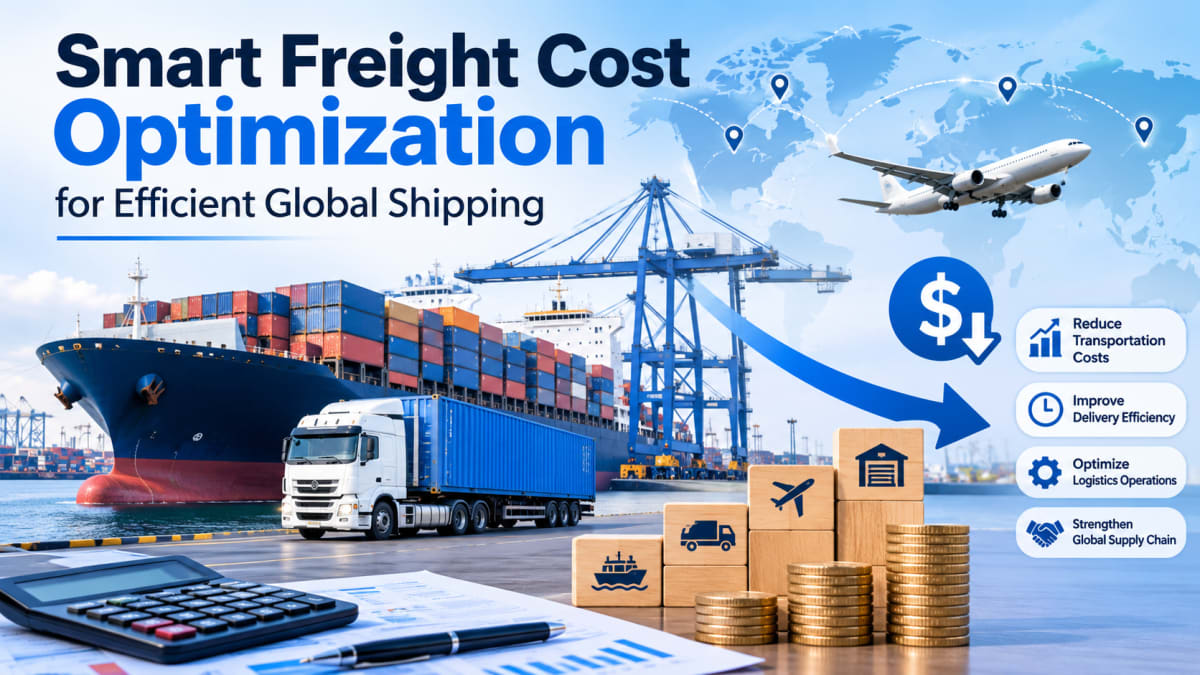
Smart Freight Cost Optimization Strategies for Efficient Global Shipping
International shipping plays an important role in modern business operations, but managing transportation expenses can be challenging for exporters and importers. Freight charges, fuel costs, port handling fees, customs procedures, and unexpected delays can significantly increase the overall logistics budget. Businesses that operate across multiple international markets need a well-planned freight management strategy to maintain profitability and ensure timely deliveries.
Freight cost optimization is not simply about choosing the cheapest shipping provider. It involves evaluating the complete transportation process, identifying unnecessary expenses, improving cargo movement, and selecting suitable logistics solutions according to business requirements.
Understanding the Major Components of Freight Costs
Before reducing logistics expenses, businesses should understand where their transportation budget is being spent. International freight costs include several components, such as ocean or air freight charges, inland transportation, terminal handling, documentation, customs-related expenses, warehousing, and cargo insurance.
Additional expenses may arise from container detention, demurrage, storage, delayed documentation, and unexpected changes in shipping schedules. When businesses evaluate these costs separately, they can identify the areas that require better planning and management.
Choose the Right Transportation Mode
Selecting the appropriate transportation mode is one of the most important decisions in freight cost management. Air freight provides faster delivery for urgent and high-value shipments, whereas ocean freight is generally suitable for larger cargo volumes and shipments with flexible delivery schedules.
For certain trade routes, combining road, rail, and ocean transportation can provide a practical balance between cost and transit time. Businesses should compare total transportation expenses, delivery requirements, cargo characteristics, and destination conditions before confirming a shipping method.
Improve Cargo Utilization and Shipment Consolidation
Poor cargo utilization can increase the transportation cost per unit. Businesses shipping smaller quantities frequently may benefit from Less than Container Load (LCL) consolidation, where cargo from multiple shippers is transported within a shared container.
Companies with larger shipment volumes can evaluate Full Container Load (FCL) options to improve space utilization and manage cargo movement more efficiently. Proper packaging, accurate cargo measurements, and advance shipment planning can further reduce wasted space and avoid unnecessary freight expenses.
Compare Freight Rates and Logistics Partners
Relying on a single freight provider without reviewing market alternatives can limit cost-saving opportunities. Businesses should compare quotations from multiple shipping lines, airlines, and freight forwarding partners.
However, selecting a logistics provider should involve more than comparing the quoted freight rate. Transit reliability, available capacity, destination handling, documentation support, cargo protection, and communication quality should also be considered.
Establishing long-term relationships with dependable logistics partners may help businesses negotiate competitive rates and secure better shipping arrangements for regular cargo volumes.
Prevent Delays and Additional Port Charges
Unexpected shipment delays can create additional expenses through demurrage, detention, terminal storage, and missed vessel connections. In many cases, these charges can be reduced through better coordination between exporters, transport providers, customs representatives, and port authorities.
Preparing shipping documents in advance, confirming vessel schedules, arranging timely container movement, and monitoring important shipment milestones can improve operational efficiency.
Businesses should also maintain alternative transportation arrangements for important shipments to reduce the financial impact of unexpected disruptions.
Use Shipment Tracking and Logistics Data
Shipment visibility allows businesses to monitor cargo movement and identify potential problems before they become expensive. Tracking information can help logistics teams review transit times, identify recurring delays, compare carrier performance, and improve future shipping decisions.
By maintaining accurate freight records, companies can understand cost variations across different routes, shipment sizes, and transportation modes. This information supports better budgeting and more informed logistics planning.
Why Professional Freight Management Matters
Managing international freight requires coordination across multiple service providers, trade routes, documentation procedures, and destination requirements. Professional freight management helps businesses organize these activities through structured planning and reliable logistics coordination.
SkyLink Global supports international businesses with freight forwarding, ocean and air freight services, multimodal transportation, carrier rate benchmarking, shipment visibility, and customs coordination. Its integrated logistics approach helps businesses identify opportunities for improved freight planning and cost control.
Conclusion
Effective freight cost optimization requires a complete understanding of transportation expenses, cargo requirements, shipping routes, and operational risks. Businesses that combine suitable shipping methods, efficient cargo consolidation, competitive carrier selection, and proactive shipment monitoring can improve logistics performance while controlling unnecessary spending.
With the right freight management strategy and a dependable logistics partner, exporters and importers can build a more efficient international supply chain and strengthen their competitiveness in global markets.
EXIM & Logistics Specialist at SkyLink Global Services. Specializing in statutory customs compliance, freight procurement, and international cross-border multimodal routing.