
Smart Port Operations: Improving Container Handling and Shipping Efficiency
Discover how modern port operations and efficient container handling improve shipping performance, reduce vessel delays, and strengthen global supply chains. Learn how digital technologies, terminal planning, and coordinated cargo movement help businesses achieve smoother and more reliable international shipping operations.
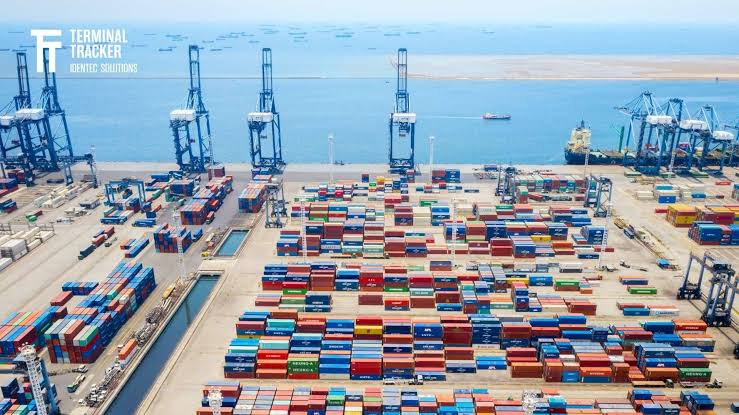
Smart Port Operations: Improving Container Handling and Shipping Efficiency
Introduction
Seaports are essential gateways for international trade, connecting manufacturers, exporters, importers, shipping lines, and distribution networks across the world. Every day, ports manage large volumes of containers, bulk cargo, and other shipments moving between countries.
As global trade continues to grow, ports face increasing pressure to process cargo efficiently, reduce vessel waiting times, and maintain reliable shipping schedules. Efficient port and terminal operations are therefore essential for keeping international supply chains moving.
By combining effective planning, modern equipment, digital technology, and coordinated cargo handling, ports can improve productivity and support smoother international transportation.
What Are Port and Terminal Operations?
Port and terminal operations include the activities required to manage vessels, cargo, containers, equipment, and transportation connections within a port facility.
A port may contain multiple specialized terminals, each designed to handle particular types of cargo. Container terminals, for example, focus on loading, unloading, storing, and transferring shipping containers between vessels and land transportation.
Common port and terminal activities include:
Vessel arrival planning and berth allocation.
Loading and unloading shipping containers.
Container stacking and yard management.
Cargo inspection and documentation.
Coordination with customs authorities.
Truck and rail transportation scheduling.
Container tracking and release.
Transfer of cargo to inland distribution networks.
Efficient coordination between these activities helps minimize bottlenecks and improve the movement of goods.
Why Efficient Port Operations Matter
Port performance has a direct impact on shipping schedules, transportation costs, and the reliability of international supply chains.
1. Reducing Vessel Waiting Times
When berths, equipment, or cargo-handling resources are not available at the required time, vessels may experience delays.
Better vessel scheduling and berth planning help port operators allocate resources efficiently and reduce unnecessary waiting.
2. Improving Container Turnaround
Container turnaround refers to the time required to complete the relevant handling and movement activities for a container or transportation unit.
Organized yard operations, efficient equipment allocation, and timely documentation can help reduce delays during container handling.
3. Supporting Reliable Shipping Schedules
Port congestion can disrupt vessel schedules and affect connecting transportation services.
Improved coordination between shipping lines, terminal operators, freight forwarders, and inland carriers helps businesses plan shipments more effectively.
4. Managing Operational Costs
Delays and inefficient cargo movements can increase equipment, storage, labor, and transportation costs.
Streamlined operations help reduce avoidable expenses and improve the utilization of port resources.
Key Components of Efficient Container Terminal Management
Vessel and Berth Planning
Ports must coordinate vessel arrivals with berth availability, expected cargo volumes, equipment requirements, and operational schedules.
Accurate planning helps reduce conflicts between vessel movements and supports more predictable loading and unloading activities.
Container Yard Management
Container terminals require organized storage areas where containers can be located, moved, inspected, and prepared for onward transportation.
Effective yard planning considers container destinations, cargo requirements, pickup schedules, and equipment availability.
A well-organized yard can reduce unnecessary container movements and improve handling productivity.
Cargo Handling Equipment
Cranes, terminal tractors, reach stackers, and other specialized equipment support container movement throughout the terminal.
Regular maintenance and appropriate equipment allocation help reduce operational interruptions and support safe cargo handling.
Gate and Truck Coordination
Truck congestion near port gates can delay container collection and delivery.
Appointment systems, digital gate processes, and better coordination with trucking companies can help manage vehicle arrivals and improve traffic flow.
Documentation and Cargo Release
Container movement often depends on the completion of shipping documents, customs procedures, and applicable release requirements.
Preparing documentation in advance and coordinating with relevant stakeholders can help reduce avoidable delays.
How Digital Technology Is Transforming Port Operations
Digital systems are helping port operators improve visibility, planning, and communication across terminal activities.
Terminal Operating Systems
A Terminal Operating System (TOS) helps manage activities such as container allocation, yard planning, equipment assignments, and vessel operations.
By bringing operational information together, these systems can support better coordination and more informed decisions.
Real-Time Container Tracking
Digital tracking systems help stakeholders identify container locations and monitor movement through different stages of the transportation process.
Improved visibility supports shipment planning and helps businesses respond more effectively to delays.
Automated Gate Systems
Digital gate processes can simplify vehicle registration, verify shipment information, and coordinate truck arrivals.
When implemented appropriately, automation can help reduce manual processing and improve the movement of vehicles through terminal entrances and exits.
Data Analytics and Predictive Planning
Operational data can help port managers identify recurring bottlenecks, review equipment utilization, and anticipate periods of high demand.
These insights can support better resource allocation and more effective terminal planning.
Common Challenges in Port and Terminal Operations
Despite improvements in equipment and technology, ports continue to face several operational challenges.
Port congestion: High cargo volumes or limited terminal capacity can create queues and delays.
Equipment breakdowns: Unexpected equipment failures can interrupt cargo-handling activities and affect operational schedules.
Documentation issues: Missing or inaccurate shipping documents can delay cargo clearance and release.
Limited storage capacity: Poor yard planning or high container volumes can make it difficult to position containers efficiently.
Coordination gaps: Delayed communication between shipping lines, terminal operators, customs authorities, and transport providers can disrupt cargo movement.
Unexpected schedule changes: Weather conditions, vessel delays, and changes in cargo demand can affect terminal planning.
Addressing these challenges requires contingency planning, reliable communication, equipment maintenance, and continuous operational improvement.
Best Practices for Improving Port Efficiency
Businesses and terminal operators can improve operational performance through several practical measures.
Plan vessel arrivals and berth allocation carefully.
Coordinate container handling with vessel schedules.
Organize container yards according to operational priorities.
Maintain cranes and other cargo-handling equipment regularly.
Prepare shipping and customs documentation in advance.
Coordinate truck appointments and gate activities.
Use digital tracking systems to improve shipment visibility.
Monitor operational performance and identify recurring delays.
Maintain clear communication among all stakeholders.
Develop contingency plans for congestion, equipment failures, and schedule disruptions.
Consistent implementation of these practices can help reduce avoidable delays and improve the overall reliability of port operations.
The Role of Logistics Partners in Port Coordination
Efficient port operations depend on more than the terminal itself. Freight forwarders, shipping lines, customs specialists, trucking companies, and importers must coordinate their activities to keep shipments moving.
Logistics partners can help businesses arrange transportation, prepare shipping documentation, monitor shipment progress, and coordinate cargo movement with relevant service providers.
Advance planning and timely communication are particularly important when shipments involve multiple ports, connecting vessels, or inland transportation arrangements.
By working with experienced logistics partners, businesses can improve shipment visibility and manage potential disruptions more effectively.
Conclusion
Smart port and terminal operations are essential for efficient international trade. Better vessel planning, organized container handling, digital tracking, and effective coordination help ports manage cargo flows and reduce avoidable delays.
As shipping networks become increasingly interconnected, the adoption of modern terminal systems and data-driven planning will remain important for improving operational performance.
For exporters, importers, and logistics businesses, understanding port operations can support better shipping decisions, more reliable transportation planning, and stronger global supply chain performance.
EXIM & Logistics Specialist at SkyLink Global Services. Specializing in statutory customs compliance, freight procurement, and international cross-border multimodal routing.