
Warehouse Space Optimization: Practical Strategies for Better Storage and Faster Operations
Warehouse space optimization helps businesses improve storage capacity, organize inventory, and streamline daily logistics operations. By adopting effective storage layouts, modern handling equipment, and smart inventory planning, companies can reduce space wastage, improve product accessibility, minimize operational delays, and create a more productive warehouse environment.
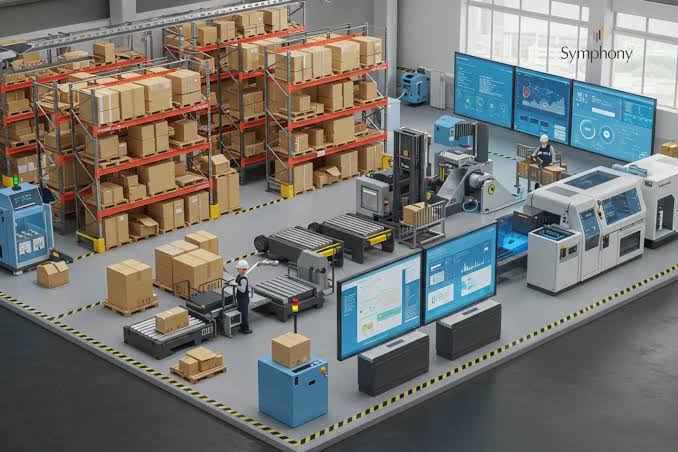
Warehouse Space Optimization: Practical Strategies for Better Storage and Faster Operations
Warehouse space is a valuable business resource that directly influences storage capacity, inventory management, and operational productivity. As businesses expand their product ranges and distribution networks, managing available warehouse space becomes increasingly important. Poor storage arrangements can create unnecessary movement, slow down order processing, increase handling costs, and affect the overall efficiency of logistics operations.
Warehouse space optimization focuses on making the best possible use of available storage areas while maintaining smooth product movement and easy inventory access. With proper planning, suitable storage systems, and effective warehouse management practices, businesses can improve their operational performance without continuously expanding their physical facilities.
Why Warehouse Space Optimization Matters
An organized warehouse allows businesses to store products systematically and manage inventory more effectively. When products are placed without proper planning, valuable floor space can remain unused while frequently required items become difficult to access.
This creates unnecessary challenges for warehouse employees and increases the time required to locate, pick, and prepare products for dispatch.
Effective space optimization helps businesses improve storage capacity, maintain organized inventory records, reduce product handling time, and support faster order fulfillment.
For companies managing large quantities of goods, these improvements can make a significant difference in daily warehouse performance.
Designing an Efficient Warehouse Layout
Warehouse layout planning is an essential step toward improving storage efficiency. A properly designed layout considers available floor space, ceiling height, product dimensions, movement requirements, and operational activities.
Storage areas should be arranged in a way that allows products to move smoothly between receiving, inspection, storage, picking, packing, and dispatch sections.
Businesses should also maintain suitable movement pathways for employees and material-handling equipment. Clear aisles improve accessibility and help reduce unnecessary movement inside the facility.
An efficient layout creates a structured working environment where warehouse activities can be completed with better coordination.
Using Vertical Storage to Increase Capacity
One effective method of improving warehouse capacity is making better use of vertical space. Many facilities focus mainly on floor storage and overlook the additional capacity available through suitable vertical storage arrangements.
Industrial shelving, pallet racking, and multi-level storage systems can help businesses utilize available warehouse height more effectively.
However, vertical storage should always consider product weight, equipment compatibility, structural capacity, and workplace safety requirements.
When planned correctly, vertical storage systems allow companies to accommodate more inventory without requiring additional floor area.
Organizing Inventory for Faster Product Access
Inventory placement plays an important role in warehouse productivity. Products that are frequently ordered should be positioned in easily accessible locations, while slower-moving inventory can be stored in less frequently accessed sections.
Businesses can use inventory classification methods to organize products according to demand, size, category, and handling requirements.
Clear product labels, designated storage locations, barcode systems, and digital stock records also help employees identify products quickly.
A systematic inventory arrangement reduces searching time, minimizes picking errors, and improves the overall flow of warehouse operations.
The Importance of Material Handling Equipment
Material-handling equipment supports the safe and efficient movement of goods within warehouse facilities. Equipment such as forklifts, pallet trucks, conveyors, and lifting systems helps employees manage products according to their weight, dimensions, and movement requirements.
Selecting suitable equipment can improve handling speed and reduce unnecessary manual effort.
Businesses should also ensure that equipment is properly maintained and operated by trained personnel. Appropriate equipment selection contributes to smoother warehouse activities and better utilization of available storage areas.
Using Digital Technology for Better Warehouse Planning
Digital technology is helping businesses make more informed warehouse management decisions. Warehouse management systems provide useful information about stock locations, inventory movement, storage utilization, and order processing activities.
These systems allow businesses to monitor warehouse operations and identify areas where improvements may be required.
Inventory tracking tools can also help prevent misplaced products and improve coordination between receiving, storage, and dispatch departments.
By combining digital inventory records with organized storage practices, companies can create more transparent and manageable warehouse operations.
Benefits of Optimized Warehouse Storage
A well-planned warehouse offers several advantages for businesses involved in manufacturing, distribution, retail, and logistics.
Better space utilization allows companies to accommodate inventory more efficiently. Organized product placement reduces unnecessary movement and improves picking activities. Proper storage planning also supports better inventory visibility and smoother order processing.
Some important benefits include:
Improved utilization of available warehouse space.
Better organization of products and inventory.
Faster picking, packing, and dispatch operations.
Reduced unnecessary product movement.
Improved coordination between warehouse teams.
Better control over storage and handling activities.
More efficient use of warehouse resources.
These improvements help businesses establish a more productive and reliable storage environment.
Conclusion
Warehouse space optimization is an important part of modern logistics and inventory management. By improving warehouse layouts, utilizing vertical storage, organizing inventory, and adopting suitable digital technologies, businesses can make better use of their available facilities.
A well-organized warehouse supports faster operations, improved product accessibility, and more efficient inventory handling. As business requirements continue to grow, effective storage planning can help companies maintain operational flexibility and strengthen their overall supply chain performance.
SkyLink Global recognizes the importance of efficient logistics management and organized supply chain operations in supporting businesses across different industries.
EXIM & Logistics Specialist at SkyLink Global Services. Specializing in statutory customs compliance, freight procurement, and international cross-border multimodal routing.